





What core technologies are relied on for the mass production stability of amorphous new energy inductor automation equipment?
Recommended Blogs
- •HEVO Joins Purdue University to Advance Compatibility Verification of Static, Dynamic and Bidirectional EV Wireless Charging
- •Power capacity expansion in Bac Ninh, Vietnam brings opportunities for magnetic component automation upgrades
- •Würth Elektronik of Germany Launches WE-SLSP Compact Common-Mode Chokes; Small-Space Filtering Drives Precision Magnetic Core Manufacturing
- •Sumitomo Electric's Horizontally Recyclable Dust Core Wins SX Award; Low-Carbon Heat Treatment Draws Attention
- •Multi-Specification, Small-Batch Common-Mode Cores: A Flexible Dispensing and Cartoning Line Tackles Changeover Challenges
- •Looking at Magnetic Core Packaging Through Custom Automation in Apple’s Supply Chain: Visual Dispensing, Inline Inspection, and Flexible Changeover
- •Magnetic Component Companies Step Up “Materials + Smart Manufacturing”: What Automation Support Does Flexible Capacity Expansion Need?
- •High Growth in Nanocrystalline Magnetic Cores: As PV and Storage Volumes Rise, Equipment Must Prioritize Mass-Production Consistency
- •Amorphous Nanocrystalline Moves Toward High-Frequency New Energy: How Can Back-End Equipment Meet Demand?
- •Nanocrystalline Automotive Wireless Charging Efficiency Surpasses 98%; Iron Core Production Equipment Builds a Solid Foundation for Green Energy Efficiency
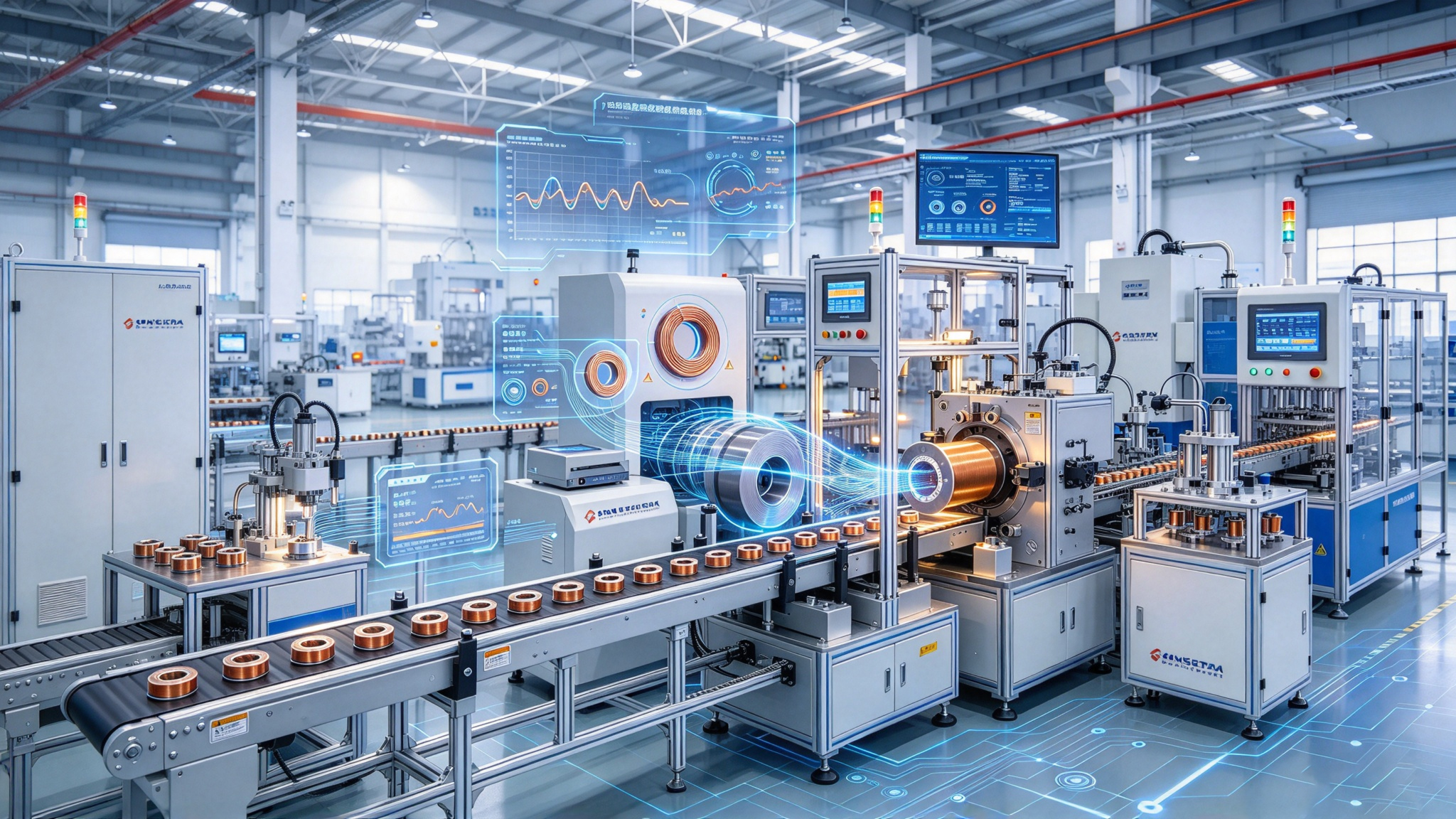
In the mass production of new energy industrial control systems, photovoltaic inverters, and energy storage converters, the quality stability of amorphous magnetic ring inductors directly affects the loss parameters, temperature rise performance, and anti-interference capability of the complete equipment. Amorphous ribbon is extremely thin and made of sensitive material, so traditional semi-automatic equipment is prone to problems such as wire breakage, uneven tightness, uneven coating, and large parameter dispersion. At this stage, the core of industrial mass production upgrade is no longer simply to increase speed, but to rely on refined automation technology to solve the three major pain points of "accuracy consistency, process replicability, and data traceability".
1. Dynamic closed-loop tension control technology: Solves the problems of easy breakage and uneven winding of amorphous ribbons
The conventional thickness of amorphous ribbon is only 20–30μm, which is extremely sensitive to tension fluctuations. The traditional constant tension mode is prone to defects such as wrinkling at the start of winding, slack at the end of winding, and inconsistent tightness in the middle section. The new generation of automated winding equipment is equipped with a high-frequency dynamic tension adjustment system, which fine-tunes the tension value in real time multiple times per second, maintains the tension controllable range at 5–30N, and provides closed-loop feedback compensation throughout the process.
This technology can control the flatness of the winding end face within 0.1mm, greatly reduce mass production issues such as strip breakage, interlayer offset, and uneven magnetic core density, effectively improve the stability of the magnetic permeability of magnetic components, keep the electrical parameter deviation of mass-produced products within a very small range, and meet the matching requirements of high-end new energy equipment.
2. High-precision servo winding process: enables standardized winding of multi-specification magnetic rings
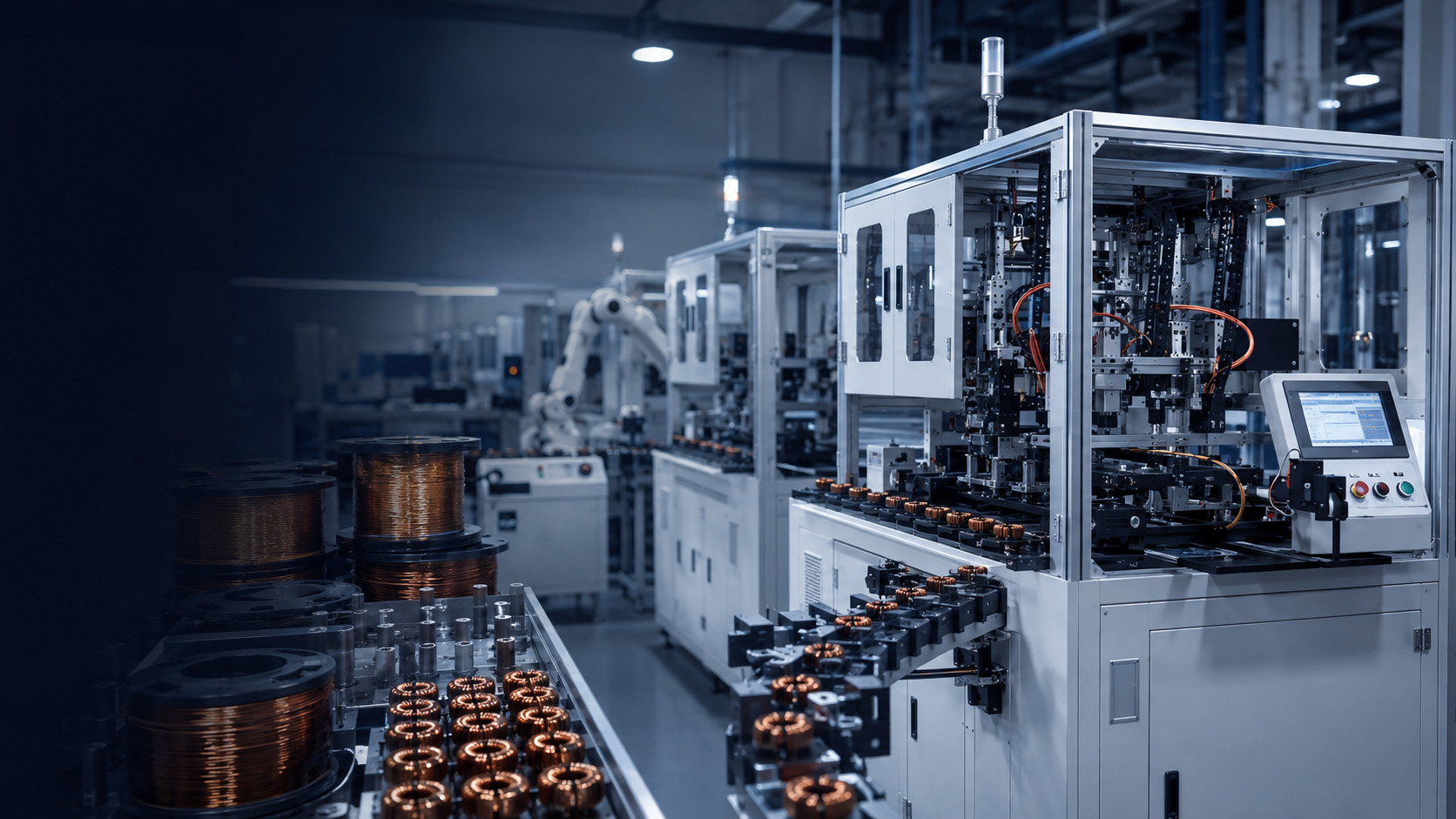
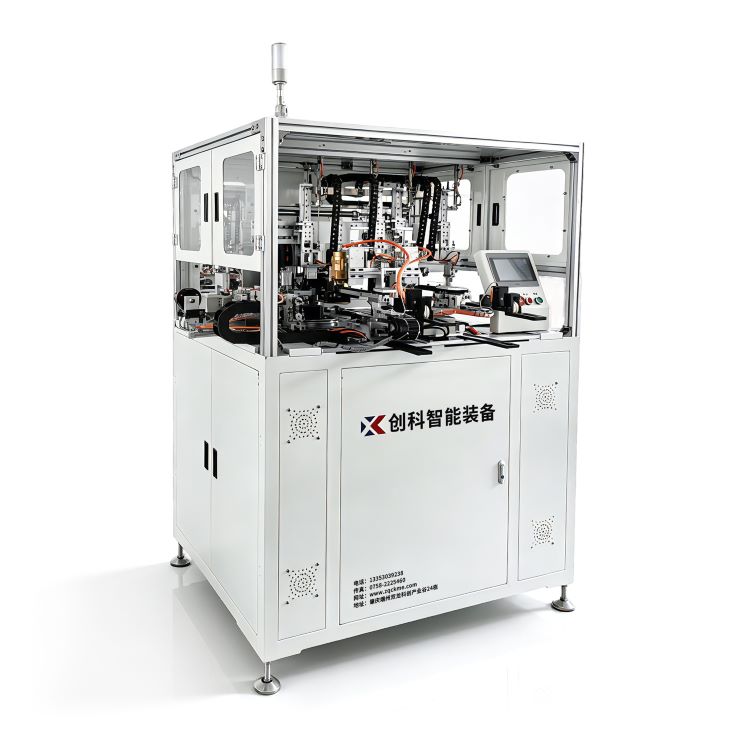
The magnetic ring inductor winding machine adopts a multi-axis servo synchronous control structure, which is suitable for winding enameled wires with a fine diameter of 0.05–0.35mm, and is compatible with the mass production requirements of amorphous and ferrite magnetic rings with an outer diameter of 3–50mm. Through angle subdivision control, uniform wire feeding, and buffer wire storage structure, the equipment avoids common defects such as thin wire stretching, skin breakage, strand loosening, and uneven winding density.
In mass production status, the cycle time of a single station can reach 120 pieces per hour, the winding tension fluctuation is stably controlled within ±3g, and it supports rapid model changeover, with a switching time of approximately 15 minutes for conventional specifications. Compared with manual operation and simple equipment, it features more uniform winding arrangement, lower leakage inductance, and higher product consistency, making it suitable for flexible production of new energy orders with multiple models and multiple batches.
3. Multi-parameter integrated testing technology: Quantify quality and eliminate manual misjudgment
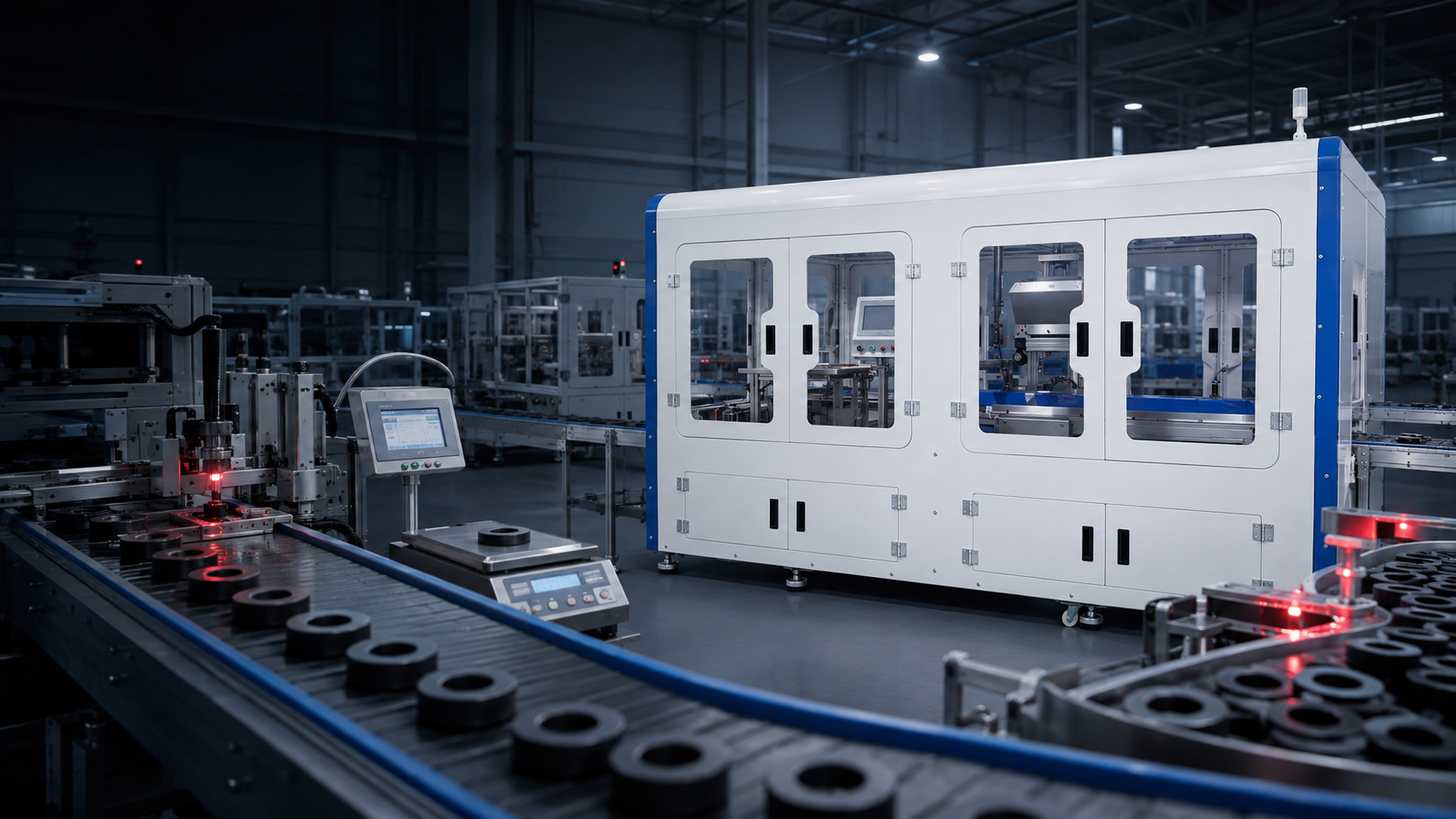
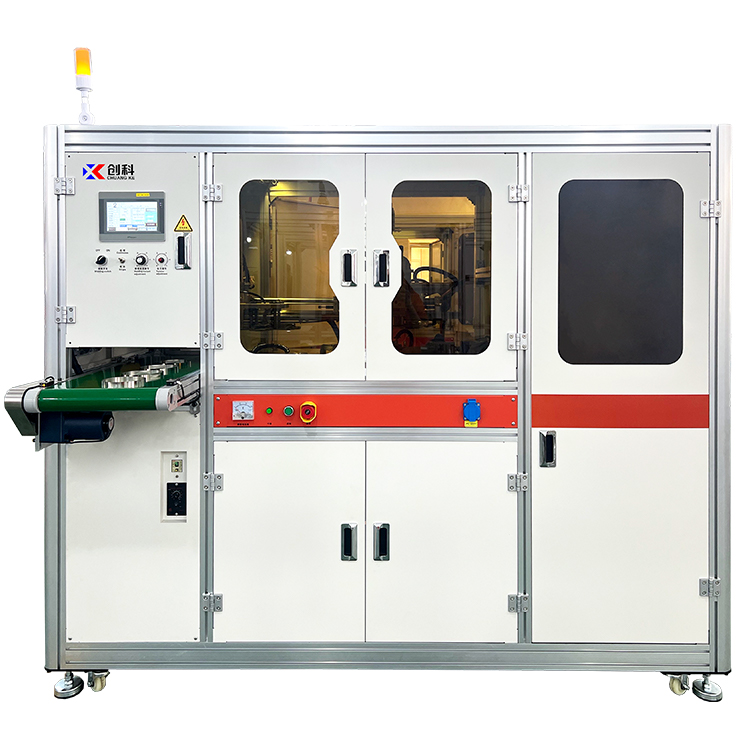
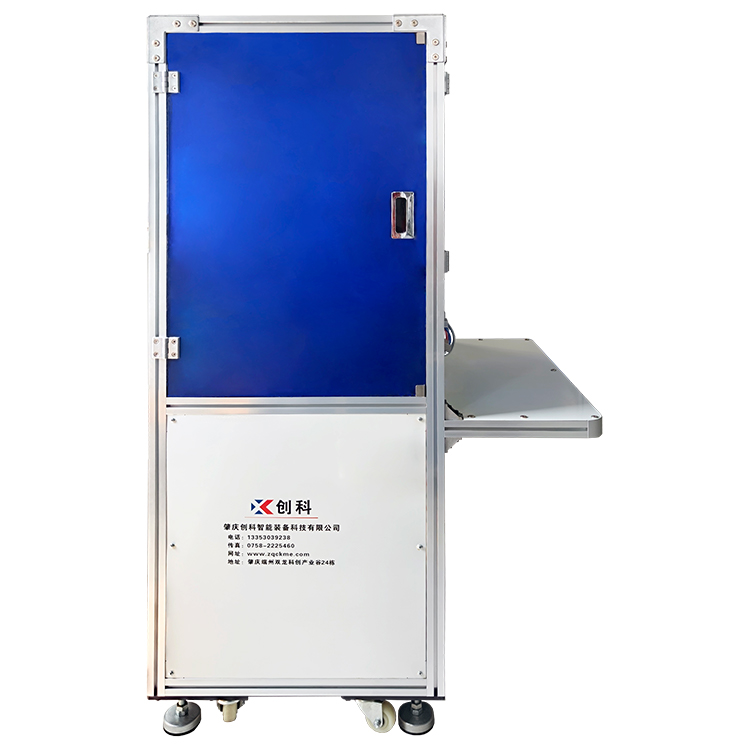
Traditional production relies on manual sampling inspection, which cannot fully cover the testing of key parameters such as inductance, loss value, and voltage withstand performance, easily leading to batch quality risks. The automated testing equipment integrates a multi-channel synchronous detection module, and the full-item testing time for a single product is ≤ 0.8 seconds, which can complete the screening of indicators such as inductance, loss, DC resistance, voltage withstand and insulation at one time.
The equipment can automatically distinguish good products, minor defects, and major defects, and classify them by placing them on separate trays independently. All inspection data are automatically stored, exportable and traceable, which meets the standardized requirements of overseas customers for quality audits, batch traceability, and system factory inspections, and technically eliminates after-sales problems caused by missed detections and false detections.
4. Segmented constant-temperature spraying and curing technology: Stabilizes the performance and voltage withstand level of the insulating layer
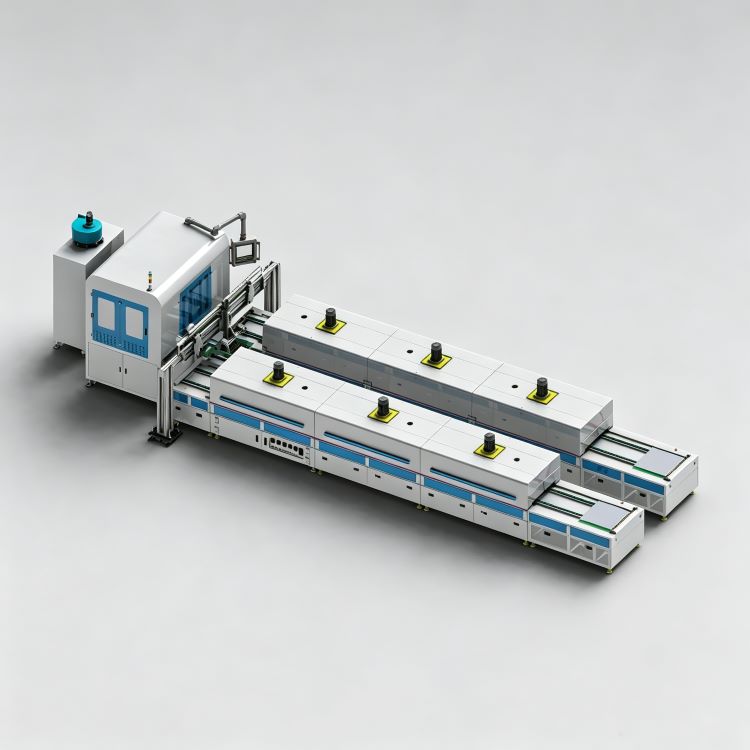
Magnetic ring insulating spraying is a key process that determines the temperature resistance, voltage resistance, moisture resistance and service life of inductors. The automated spraying line adopts precise flow control and uniform atomization structure, the controllable range of coating thickness is 10–60μm, and it supports single-side spraying and full-coverage spraying modes.
It is equipped with a multi-stage hot air zone curing process, where the temperature rise, constant temperature, and temperature reduction stages are controllable. This avoids issues such as coating blistering, sagging, uneven thickness, and poor adhesion, making the insulating layer dense and uniform. It effectively improves the stability of amorphous magnetic ring inductors under high temperature, high frequency, and complex working conditions, adapting to the long-term operation requirements of energy storage, automotive, and industrial control equipment.
5. Automated regular box packing process: reduces appearance defects and enables standardized shipping
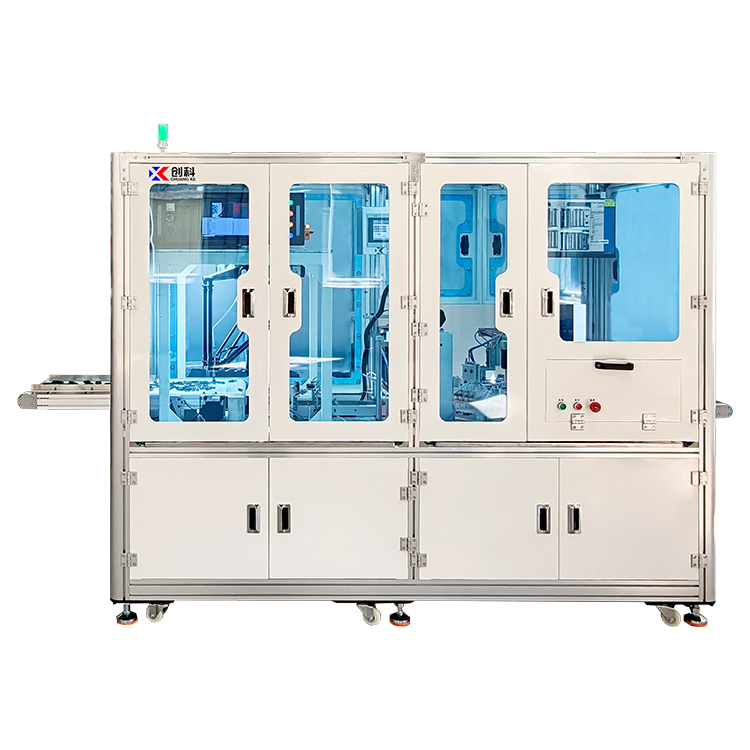
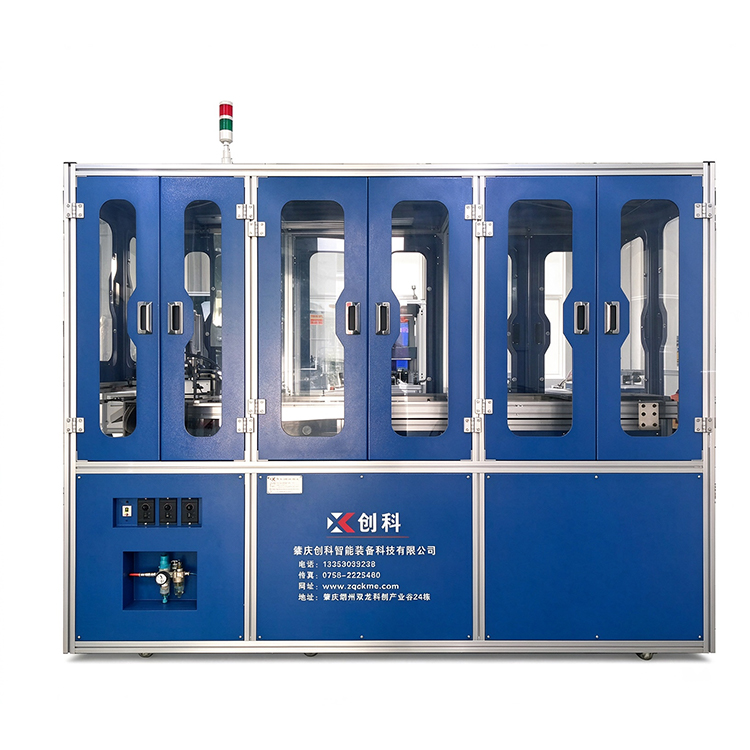
Finished magnetic ring inductors are small in size and have easily scratchable surfaces. Manual tray placement is highly prone to causing bumps, scratches, and misalignment, which affects the shipping appearance and qualification rate. The automatic box packing equipment can complete the integrated process of automatic sorting, directional alignment, accurate box insertion, and quantitative counting, with no human contact throughout the entire process.
The qualified rate of mass production box packing can stably reach over 99.2%. It effectively unifies the placement standard of each batch of products, is compatible with automated packaging and automated warehousing docking, and improves the standardization level and shipping quality of the entire production line.
6. Equipment IoT Data Collection and Remote Operation and Maintenance Technology: Adapted to Overseas Mass Production Operating Conditions
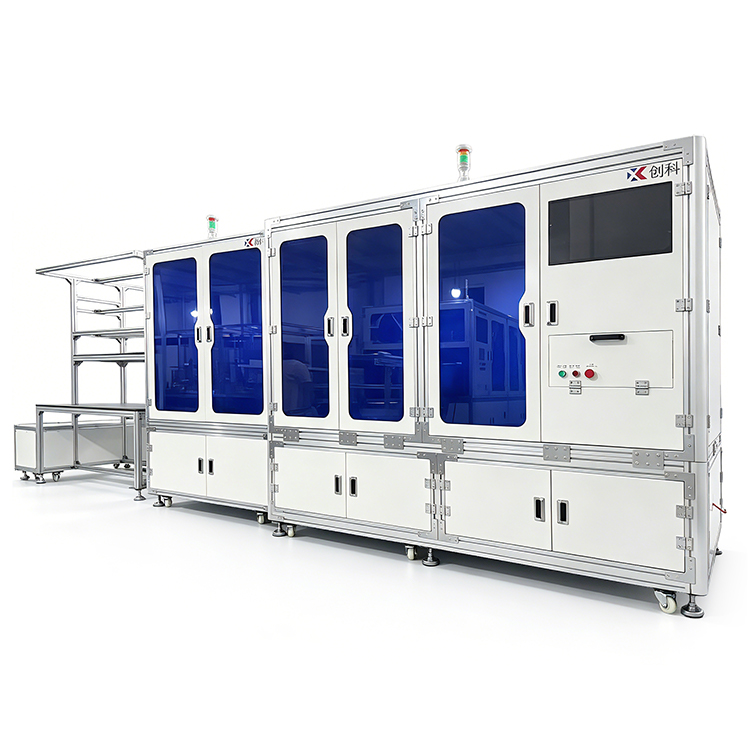
The entire automated production line is equipped with a PLC central control system and data acquisition module, which records equipment takt time, production capacity, defect rate, operating parameters, and fault logs in real time. In response to the problems of high operation and maintenance difficulty and long after-sales cycle for overseas factories, the equipment supports remote data viewing, fine parameter adjustment, fault diagnosis, and technical guidance, which greatly reduces downtime and on-site operation and maintenance costs, and is suitable for the long-term stable operation of large-scale mass production projects overseas in regions such as Southeast Asia and the Middle East.
7. Technical data performance of mass production implementation
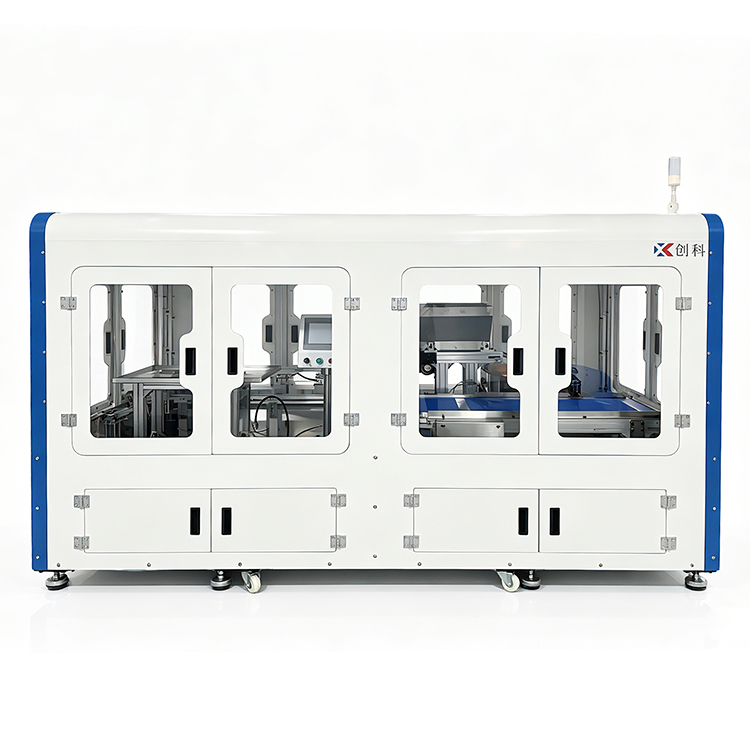
Across multiple mass production lines for amorphous magnetic components at home and abroad, after the full set of automated equipment was deployed, the overall process performance was stable: the defect rate caused by strip fracture dropped significantly, the consistency of product electrical parameters improved remarkably, and the overall comprehensive product defect rate can be controlled at around 1.3%; the staffing allocation for a single production line was greatly streamlined, and the equipment utilization rate has remained stable in the range of 85%–88%, achieving a balance among precision, efficiency, and cost.
Identity DeclarationThe full-chain automated equipment technologies covered in this article, including amorphous ribbon winding machines, magnetic ring inductor winding machines, automated testing machines, insulation spraying lines, and automatic cartoning machines, are derived from the complete set of technical systems dedicated to the research and development of equipment for the amorphous new energy automation industry chain.
Industry Discussion
During the mass production of amorphous magnetic ring inductors, do you think Tension control stability and Finished product inspection accuracy, which one has a greater impact on batch quality? We welcome industry technicians and factory engineers to leave comments and exchange ideas.
Global Cooperation
Partner With Chuangke, Win Together
Tell us about your production challenges — our engineers will design a tailored automation solution, from single machines to complete Industry 4.0 lines.
Recommended Products
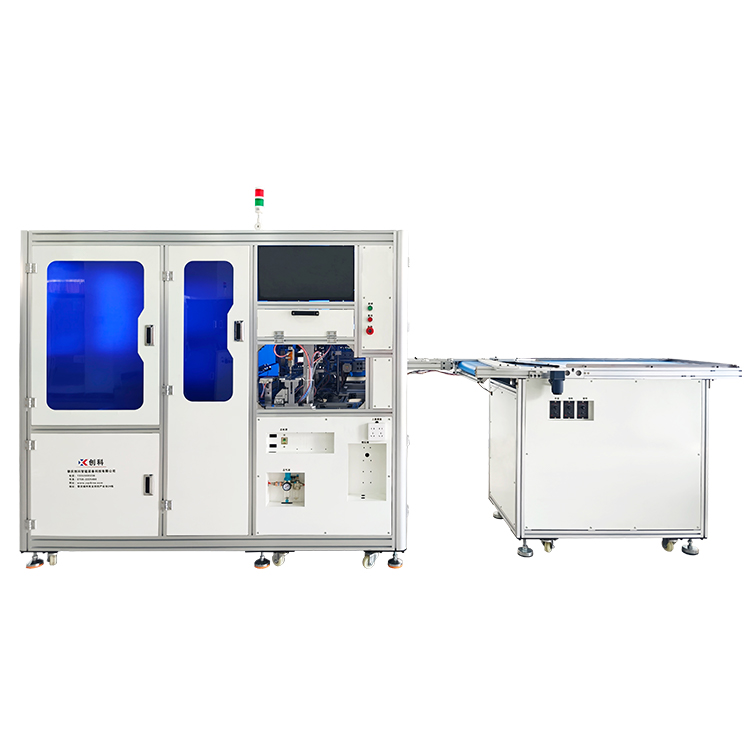 Iron Core Cartoning Machine
Dispensing, Cartoning & Testing Machine
Used for circular iron core products, bottom boxes and top covers to complete integrated automatic glue dispensing, magnetic core assembly, pressing, capping and testing.
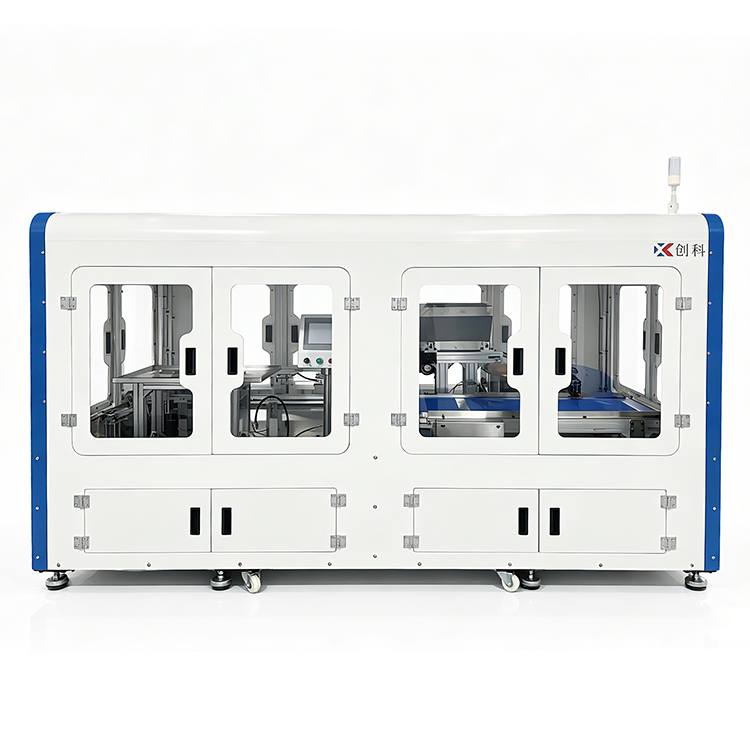 Magnetic Ring Testing Machine
Belt-Type Test Sorting Machine
It mainly consists of a conveyor-belt storage structure, a material-guiding structure, a testing mechanism, a sorting and positioning mechanism, a testing and sorting instrument, and an intelligent control circuit. The conveyor belt automatically arranges products in the same direction and then delivers them to the sorting and positioning mechanism, which uses a rotating motor to send the products one by one to the testing position for testing. The test results are input into the PLC. After processing, the PLC drives the sorting mechanism to automatically grade the products and realize automatic sorting.
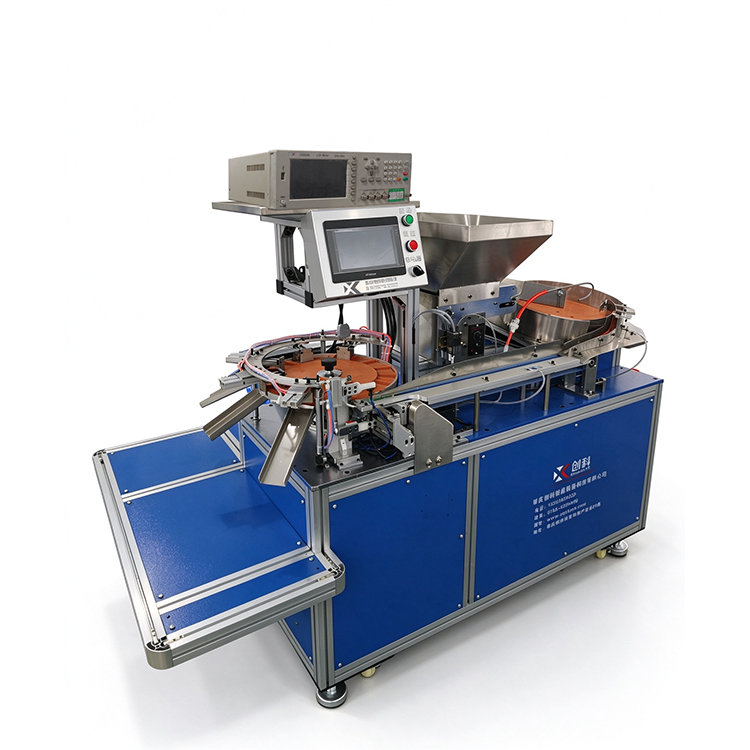 Magnetic Ring Testing Machine
Turntable-Type Test Sorting Machine
It mainly consists of an automatic turntable structure, testing mechanism, sorting and positioning mechanism, test sorting instrument, and intelligent control circuit. The feeding tray automatically arranges products in the same direction and then delivers them to the sorting and positioning mechanism, which uses a rotating motor to send the products one by one to the testing position for testing. The test results are input into the PLC, which drives the sorting mechanism after processing to automatically classify the products into grades, realizing automatic sorting.
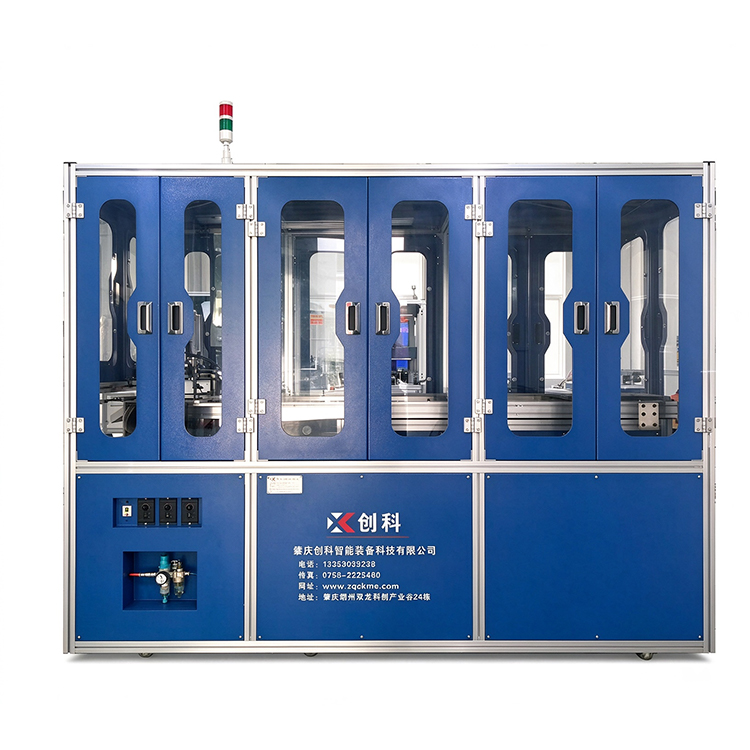 Tape Wrapping Machine
Racetrack-Shaped Tape Wrapping Machine
An automated tape wrapping device integrating automatic feeding, automatic tape wrapping, automatic cutting, automatic sealing and automatic discharging for ring-shaped, racetrack-shaped and rectangular workpieces. The equipment replaces manual tape wrapping work, with consistent wrapping tightness and a uniform appearance, effectively reducing labor and management costs, reducing human-caused defects, and improving product processing stability and production efficiency. It is suitable for tape wrapping operations on various ring-shaped workpieces.