




HEVO Joins Purdue University to Advance Compatibility Verification of Static, Dynamic and Bidirectional EV Wireless Charging
Recommended Blogs
- •Power capacity expansion in Bac Ninh, Vietnam brings opportunities for magnetic component automation upgrades
- •Würth Elektronik of Germany Launches WE-SLSP Compact Common-Mode Chokes; Small-Space Filtering Drives Precision Magnetic Core Manufacturing
- •Sumitomo Electric's Horizontally Recyclable Dust Core Wins SX Award; Low-Carbon Heat Treatment Draws Attention
- •Multi-Specification, Small-Batch Common-Mode Cores: A Flexible Dispensing and Cartoning Line Tackles Changeover Challenges
- •Looking at Magnetic Core Packaging Through Custom Automation in Apple’s Supply Chain: Visual Dispensing, Inline Inspection, and Flexible Changeover
- •Magnetic Component Companies Step Up “Materials + Smart Manufacturing”: What Automation Support Does Flexible Capacity Expansion Need?
- •High Growth in Nanocrystalline Magnetic Cores: As PV and Storage Volumes Rise, Equipment Must Prioritize Mass-Production Consistency
- •Amorphous Nanocrystalline Moves Toward High-Frequency New Energy: How Can Back-End Equipment Meet Demand?
- •Nanocrystalline Automotive Wireless Charging Efficiency Surpasses 98%; Iron Core Production Equipment Builds a Solid Foundation for Green Energy Efficiency
- •Implementing Overseas Automated Magnetic Component Production Lines: How to Adapt to Different Regional Production Standards?
U.S.-based HEVO Joins Purdue University: Static, Dynamic and Bidirectional Wireless Charging Enter Compatibility Verification
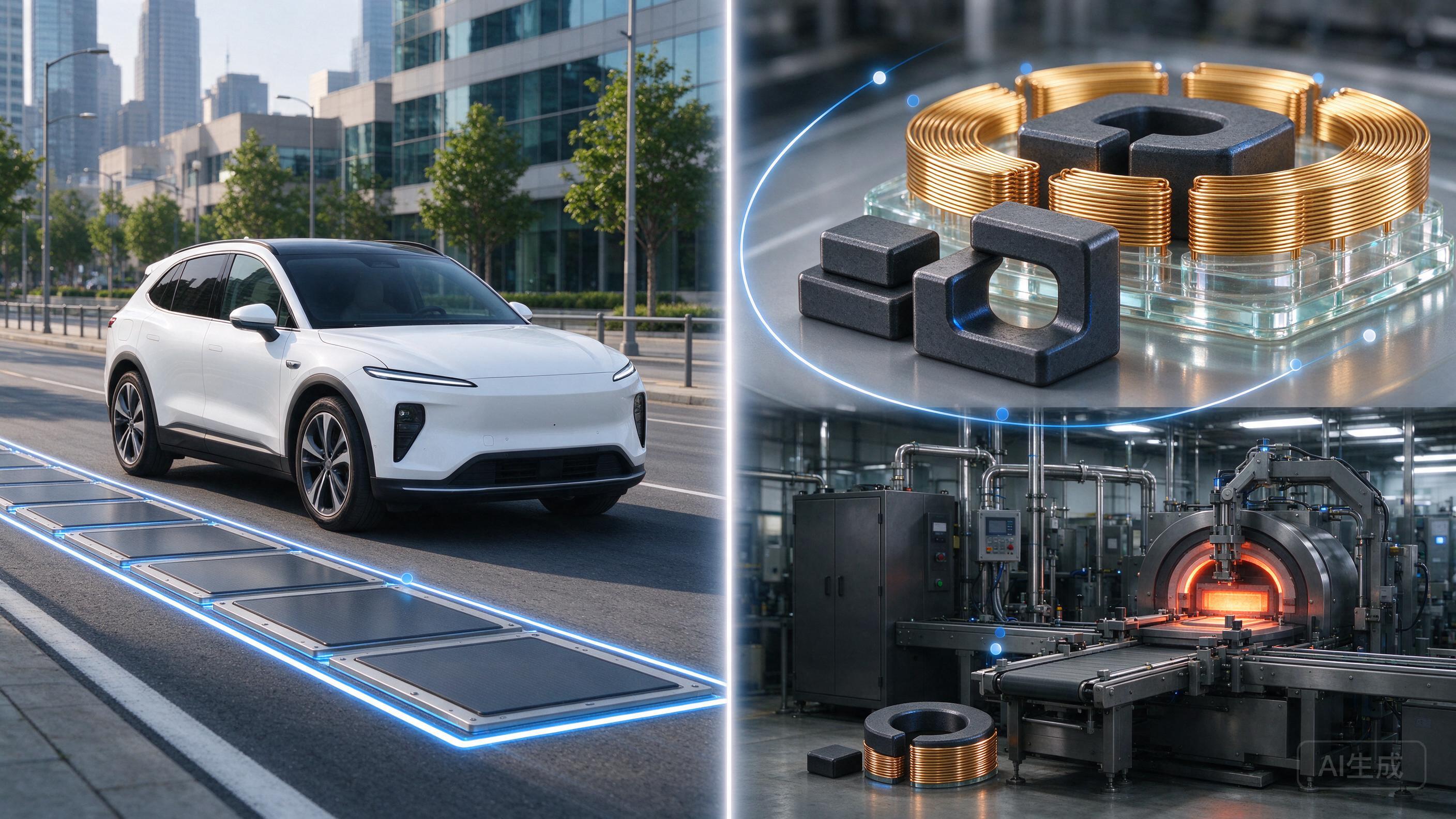
According to a TMCnet report on November 20, 2026, researchers from HEVO, a New York-based U.S. company, and Purdue University in Indiana announced a strategic technology partnership. The goal is to validate and commercialize an EV wireless charging architecture compatible with static, dynamic and bidirectional wireless power transfer. The cooperation advances fixed parking-space charging, in-motion charging and two-way power interaction under one technical framework, and is regarded as an important signal that international EV wireless charging is moving from demonstration validation to large-scale commercial deployment.
I. International News Facts: HEVO and Purdue Verify a Unified Architecture
According to public reports, HEVO is a wireless charging company headquartered in New York, and Purdue University is located in Indiana. Their cooperation focuses on EV wireless power transfer, with the emphasis not merely on a particular static charging pad, but on an architecture compatible with three types of scenarios:
- Static wireless charging: the vehicle charges while parked in a fixed parking space or charging station;
- Dynamic wireless charging: the vehicle obtains power while driving on roads equipped with charging facilities;
- Bidirectional wireless charging: power no longer flows only from the grid to the vehicle, but can also be output from the vehicle in reverse, supporting interaction scenarios such as vehicle-to-grid and vehicle-to-load.
The report says the two parties will validate the architecture and promote its commercialization. Current public information does not disclose details such as specific power, charging efficiency, road pilot mileage or mass-production timeline, so progress should not be inferred beyond what the sources provide.
II. Industry Analysis: Compatibility Becomes Key to Commercialization
In the past, the international wireless charging industry mainly focused on static pilots, while dynamic charging and bidirectional charging involve more complex road engineering, vehicle adaptation, grid dispatch and safety standards. If different vehicle models, ground facilities and charging scenarios each adopt independent solutions, infrastructure builders and fleets will face duplicate validation, incompatible interfaces and high maintenance costs.
HEVO and Purdue's emphasis on interoperability shows that the industry's focus is shifting from single-point charging devices to a unified architecture. Static products are suitable for parking lots, garages and fixed stations; dynamic products impose higher requirements for road retrofitting, coil positioning and thermal management; bidirectional charging requires stable communication and power control among vehicles, charging facilities and energy management systems. Coordinated validation of the three technologies will help reduce the future risk of infrastructure fragmentation.
However, dynamic wireless charging still needs to resolve issues such as pavement durability, reliability in rain and snow, electromagnetic compatibility, construction costs and standards harmonization. Therefore, the cooperation mainly represents a signal of accelerated commercialization, rather than proving that the relevant technology route has already achieved widespread mass adoption.
III. Engineering Focus: Magnetic Components Determine Coupling Efficiency and Consistency
Wireless charging systems transfer energy through magnetic-field coupling between ground-side and vehicle-side coils. Magnetic materials and magnetic components guide magnetic flux, reduce flux leakage, improve coupling efficiency and suppress electromagnetic interference. In static scenarios, coil alignment, air-gap variation and temperature rise affect transmission stability; in dynamic scenarios, vehicles continuously pass over multiple ground coils and face positional offset, vibration and long-term outdoor operating conditions; bidirectional charging requires power conversion and magnetic component design to remain reliable in both energy directions.
This places clearer demands on magnetic component manufacturing: core material slitting and recoiling, forming, heat treatment, insulating coating, tape wrapping, assembly and inspection all require high consistency. Relying solely on manual winding, manual dispensing or standalone offline processing makes it difficult to meet the batch stability, data traceability and yield control requirements of automotive-grade and infrastructure-grade products.
It should be noted that the public information on the HEVO-Purdue cooperation does not designate any magnetic component supplier or material route. The content above is general engineering analysis for the wireless charging industry.
IV. Application Analysis: Magnetic Component Manufacturing Stages That Chuangke Equipment Can Cover
The following is a product application analysis for Zhaoqing Chuangke Intelligent Equipment Technology Co., Ltd. and does not indicate that HEVO or Purdue University has adopted its equipment.
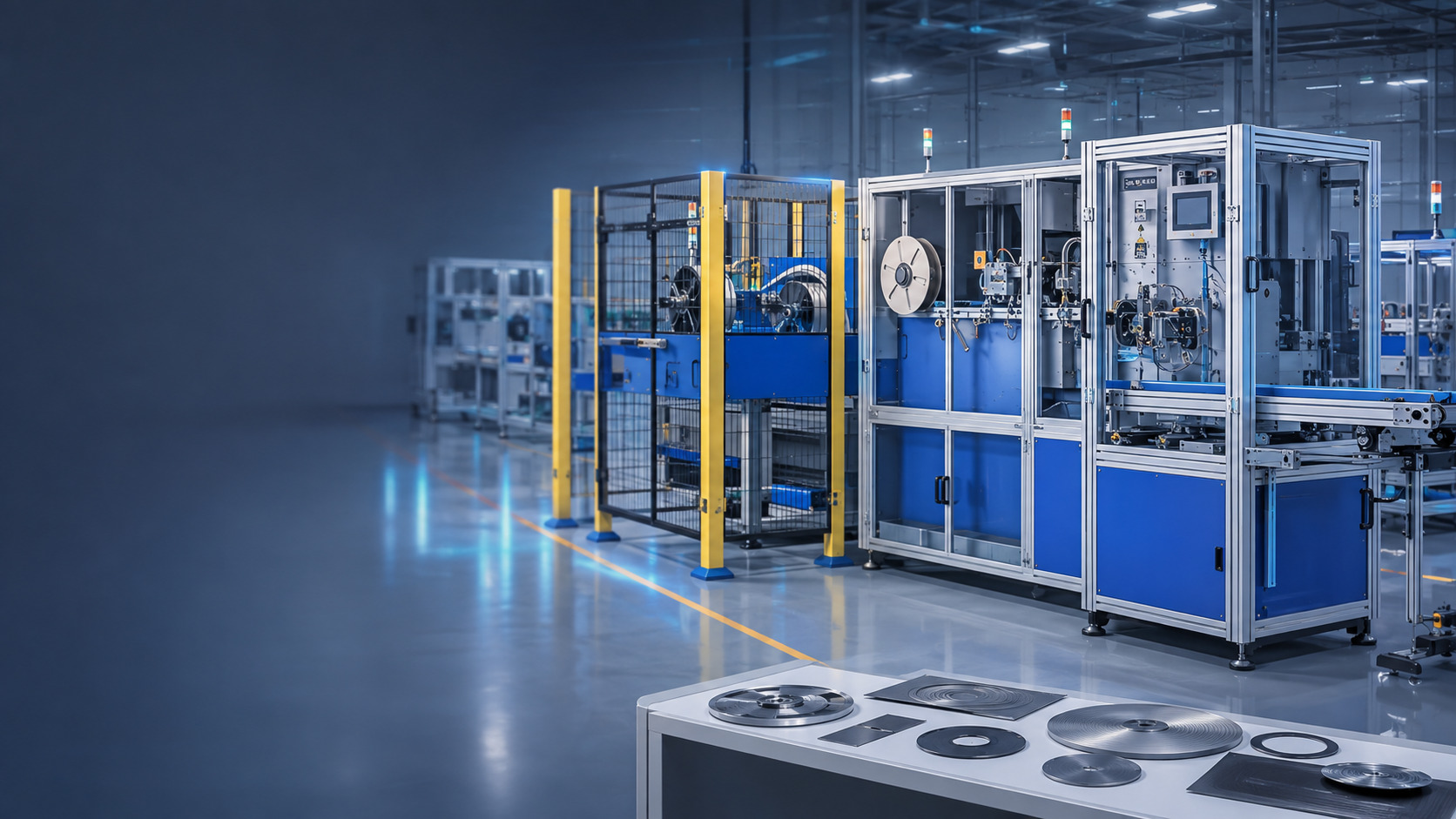
Founded in 2014, Chuangke focuses on automation equipment across the amorphous-materials new-energy industry chain. Its materials show that the company is ISO9001 certified and holds relevant certifications such as CE and CCC. For wireless charging magnetic components, its product portfolio provides support in front-end material processing, heat treatment, surface protection, and back-end assembly and testing.
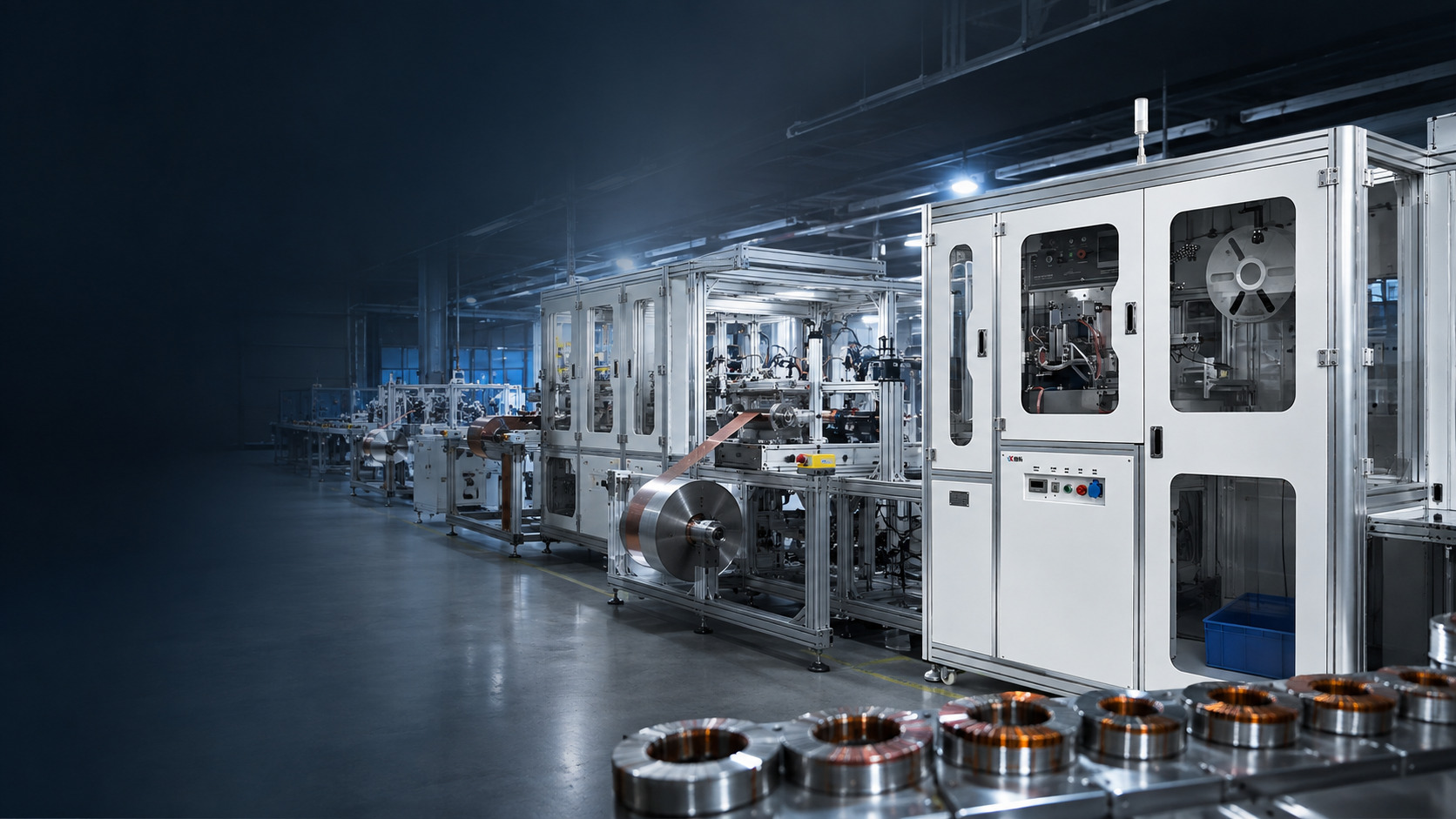
In the material and front-end stages, Chuangke's wireless charging core slitting and recoiling machine can be used for processing wireless charging cores. According to company materials, the equipment's core control components use Japanese Panasonic electrical distribution and control products to improve stability and reliability. For amorphous and nanocrystalline magnetic materials, magnetic performance depends not only on the materials themselves, but is also closely related to annealing and magnetic-field heat treatment processes.
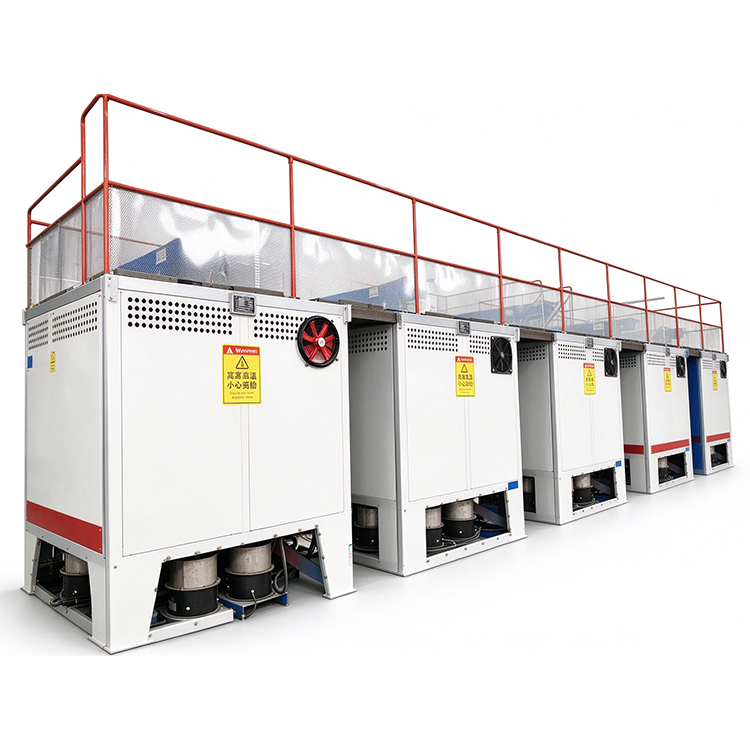
For heat treatment, the 1800GS transverse magnetic-field annealing furnace supports 0 to 1800GS transverse magnetic-field output and features three-zone independent temperature control, vacuum and atmosphere processes, IoT remote monitoring and process data export. It is suitable for annealing and transverse-field magnetization of nanocrystalline and amorphous common-mode cores and instrument transformer cores. The 67kW and 90kW nanocrystalline vacuum annealing furnaces support multi-stage programmed temperature control, historical data queries and automatic operation, meeting heat-treatment needs for different batch sizes.
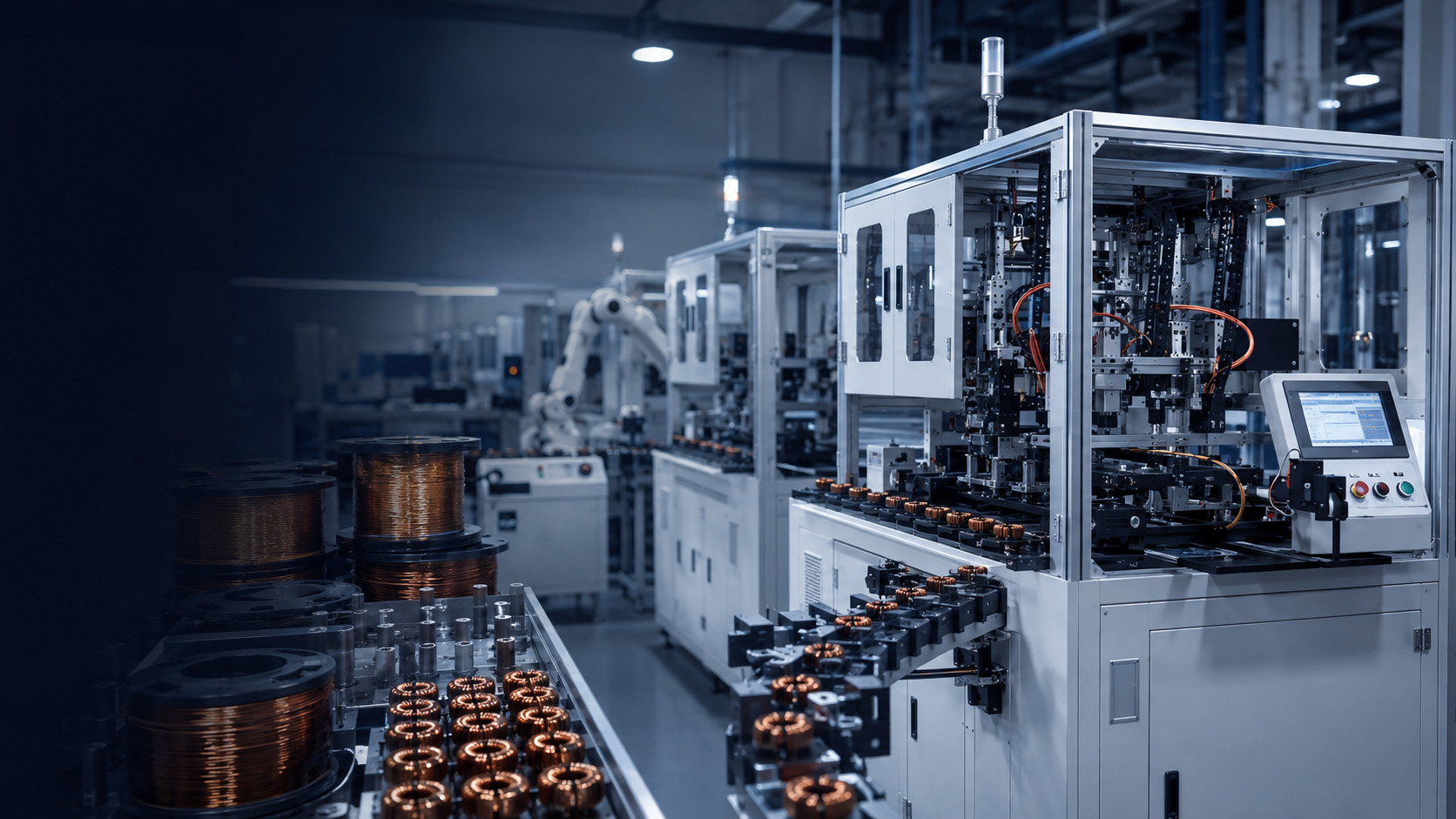
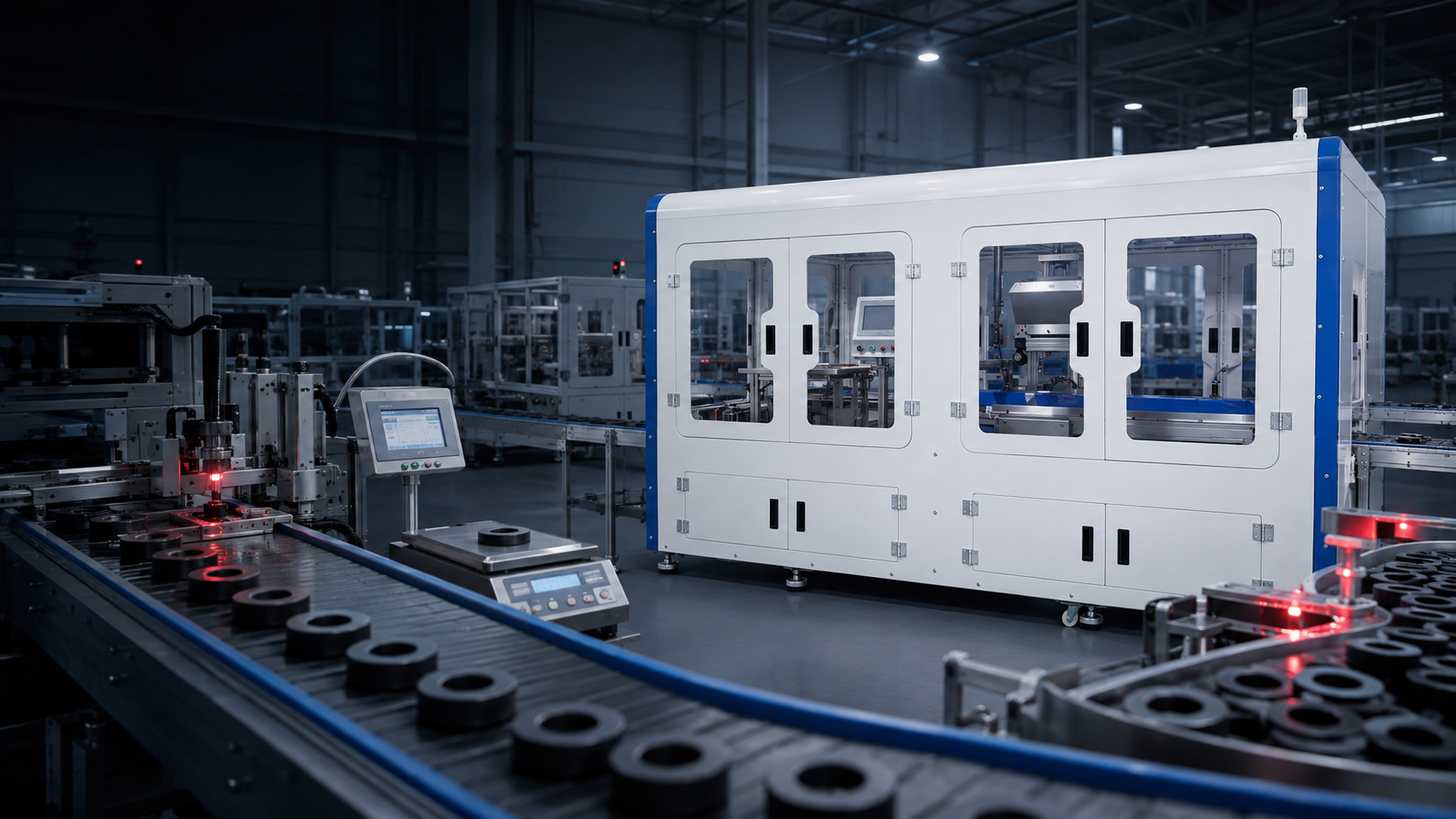
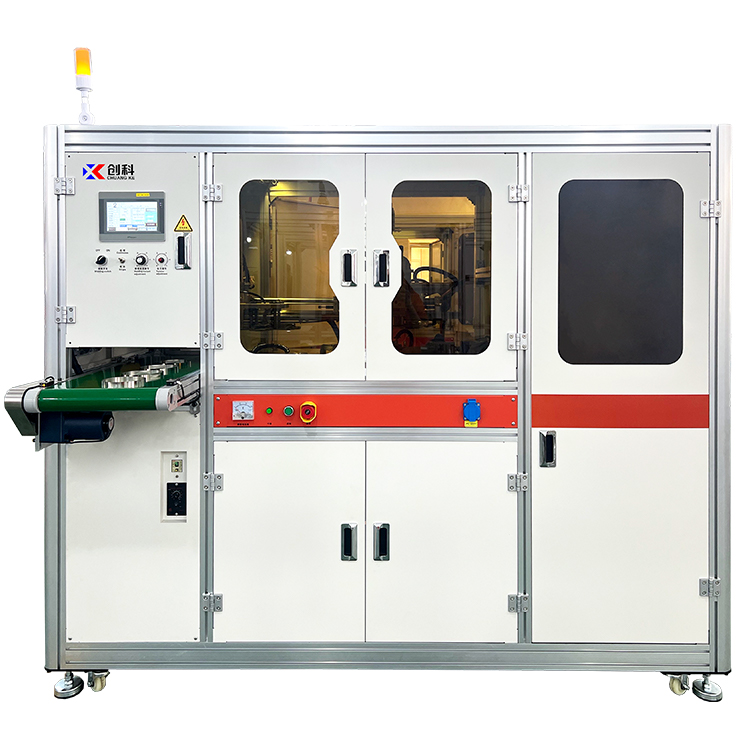
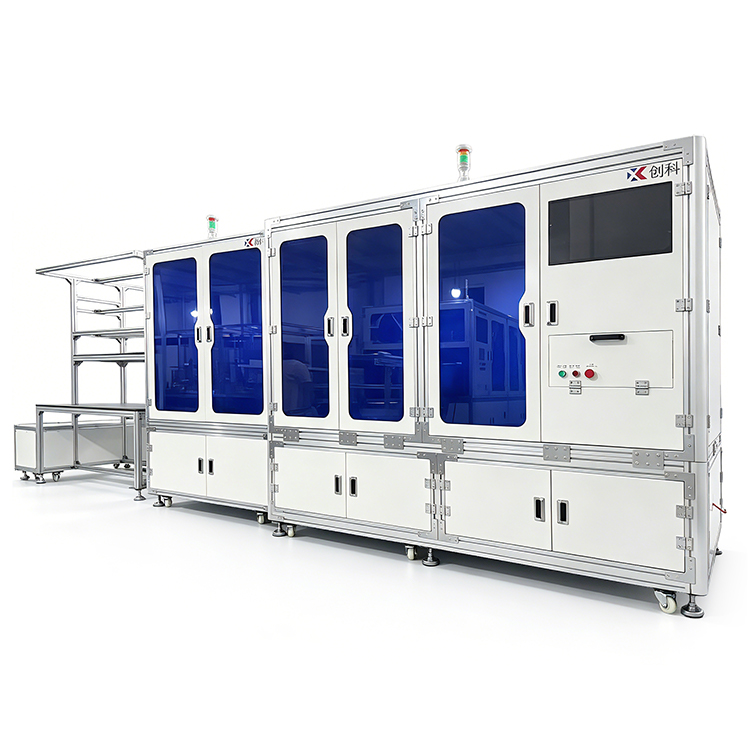
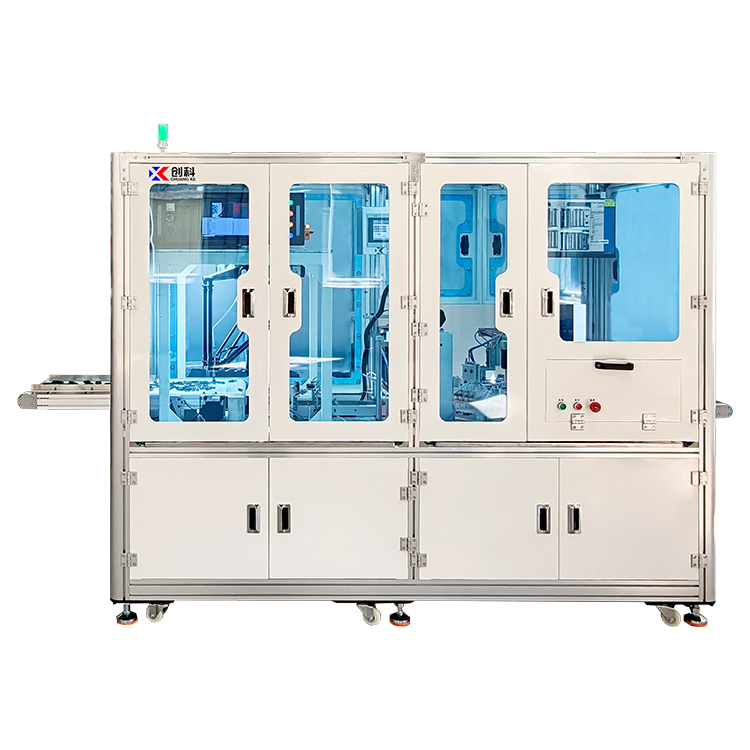
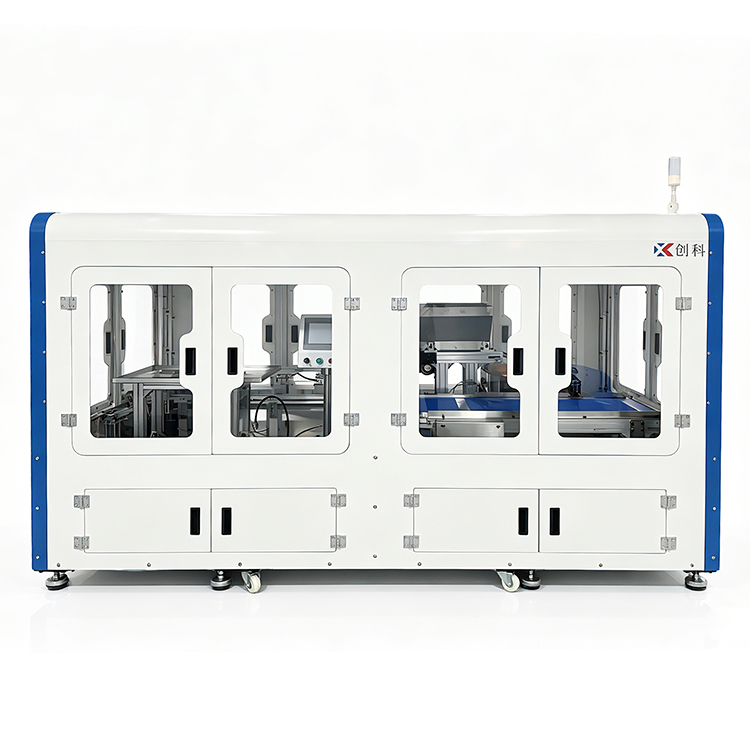
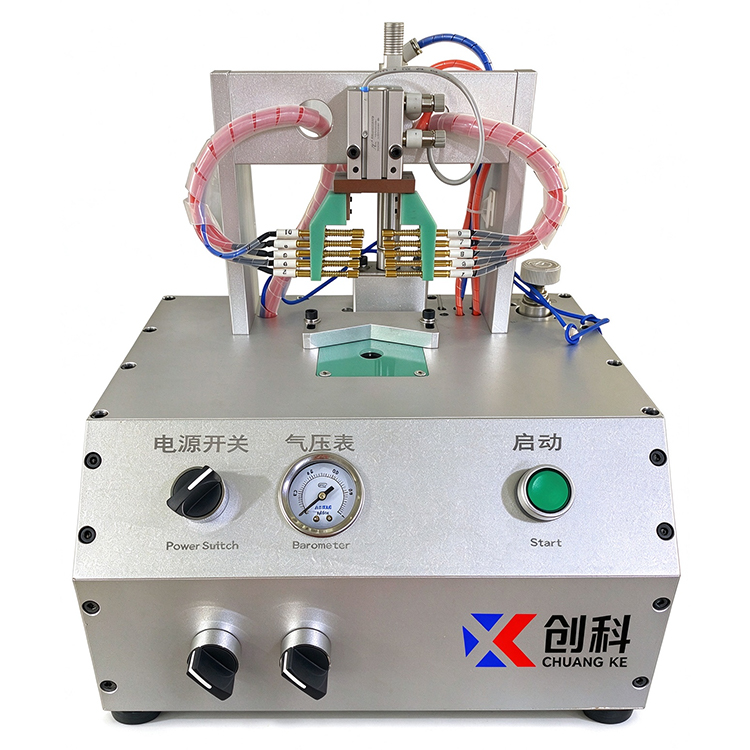
For surface protection and back-end assembly, rotary, dual-channel and inline electrostatic spraying equipment can be used for powder coating of toroids and magnetic cores; racetrack-shaped tape-wrapping machines can complete automatic tape wrapping, cutting, sealing and discharge, with optional laser marking; toroidal core clip assembly machines are equipped with CCD visual inspection and defective-product sorting mechanisms; flexible dispensing and casing machines and dispensing, casing and testing machines can complete dispensing, assembly, pressing, capping and external performance testing. This type of equipment helps reduce inconsistent dispensing, variations in wrapping tension and the release of defective products caused by manual operation.
V. Supply-Chain Spillovers from Automotive Wireless Charging to Smartphone Wireless Charging
The HEVO-Purdue cooperation is taking place in the U.S. EV market, but its impact is not limited to the automotive industry. Wireless charging technology has already formed a relatively mature supply chain in consumer electronics such as smartphones and wearable devices. Chuangke's materials also note that in recent years it has continued to develop automation equipment for smartphone wireless charging and has supplied automation products to the supply chains of well-known domestic and international brands.
Automotive wireless charging emphasizes high reliability, high power and adaptation to complex environments, while smartphone wireless charging emphasizes thin profiles, compact design and consumer-electronics-scale manufacturing. Although the two applications have different requirements for magnetic components, both need high-precision winding, core processing, heat treatment, and assembly and testing capabilities. If international EV wireless charging architectures enter the validation and commercialization stage, they are expected to drive demand for highly consistent magnetic components and automation equipment; high-frequency magnetic component manufacturing experience accumulated in consumer electronics may also migrate to the automotive supply chain.
Conclusion
The cooperation between U.S.-based HEVO and Purdue University brings static, dynamic and bidirectional wireless charging into a unified interoperable architecture, reflecting that international EV wireless charging is shifting from single-scenario demonstrations to systematic commercial validation. For magnetic component manufacturers, opportunities lie not only in charging coils themselves, but also in automated stages such as core slitting and recoiling, magnetic-field heat treatment, insulating coating, tape wrapping, dispensing and assembly, and visual inspection. Chuangke's portfolio of amorphous and nanocrystalline magnetic component equipment can serve as a supporting option for the wireless charging supply chain to improve consistency and traceability, but relevant applications still require customized validation based on customer product specifications, certification requirements and mass-production processes.
Reference Information
Global Cooperation
Partner With Chuangke, Win Together
Tell us about your production challenges — our engineers will design a tailored automation solution, from single machines to complete Industry 4.0 lines.
Recommended Products
 Dispensing Machine
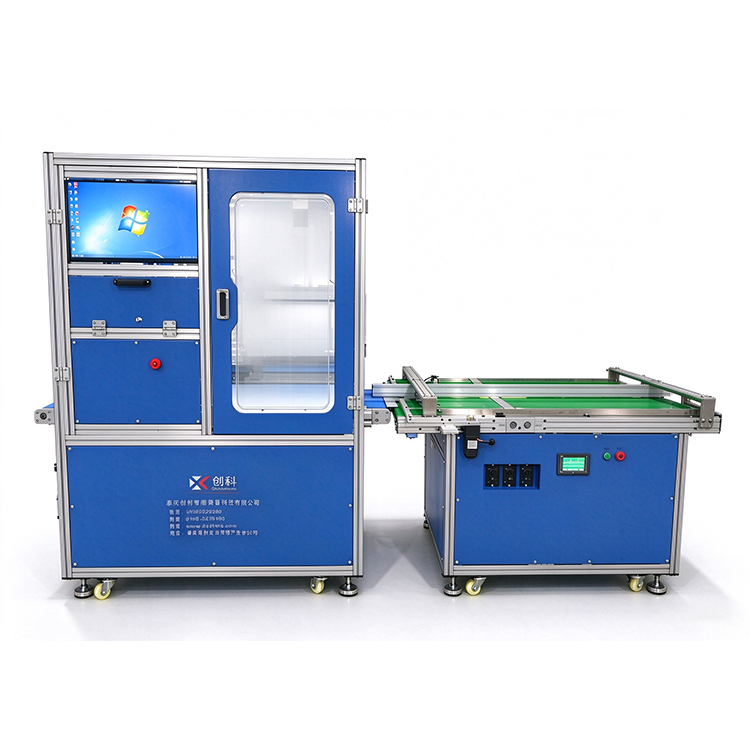
Vision Glue Dispensing Machine for Iron Core Protective Cases
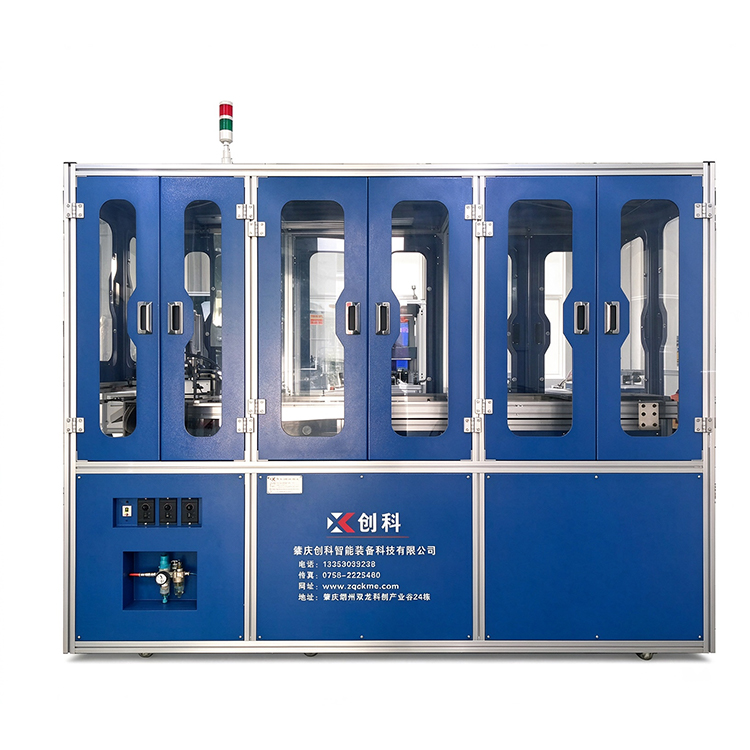
This equipment is a dedicated vision glue dispensing machine for amorphous iron core protective cases. It is suitable for dispensing the top and bottom covers of racetrack-shaped and circular amorphous/nanocrystalline magnetic core protective cases. Equipped with a high-definition vision camera positioning system, it supports multiple adhesive materials and multi-trajectory dispensing programming, can complete top and bottom cover dispensing simultaneously, and adapts to sealants with different viscosities. It is an optimal choice for automated dispensing in magnetic core packaging.
 Common Mode Inductor Winding Machine
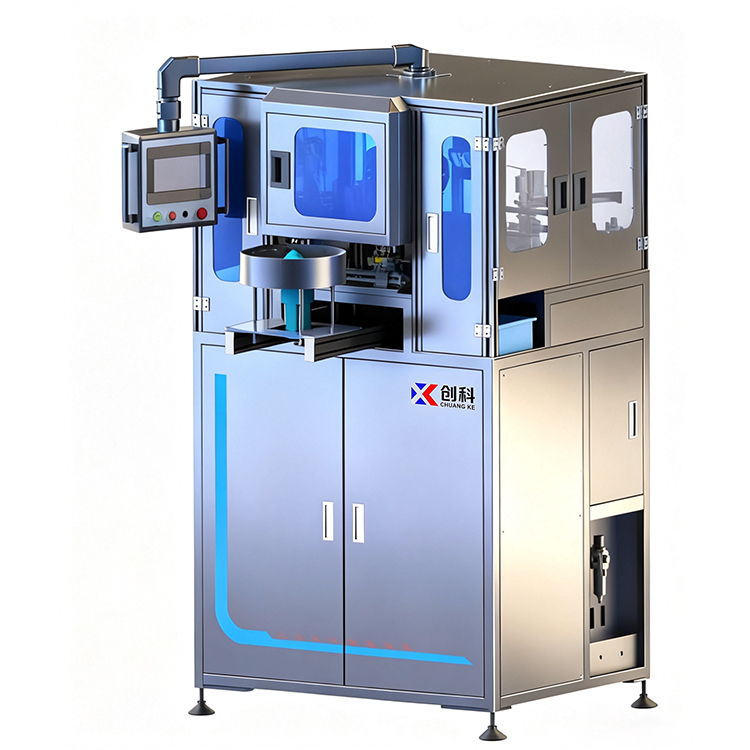
Fully Automatic Differential-Mode Inductor Winding Machine (PFC)
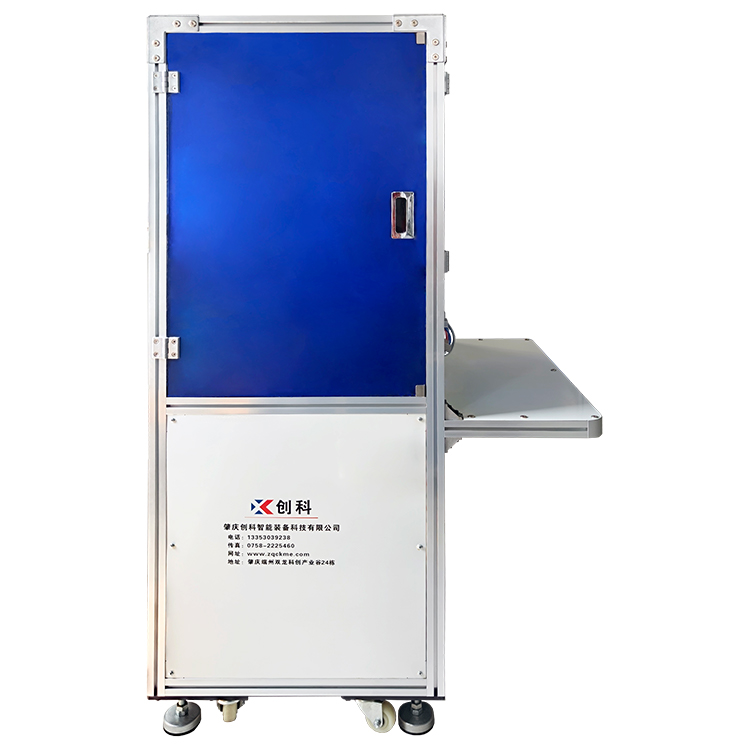
A dedicated winding machine for PFC differential-mode inductors, featuring a split winding process and suitable for high-power PFC differential-mode toroidal inductors. Dual-station synchronous processing makes it ideal for differential-mode inductor production in new energy and power supply equipment.
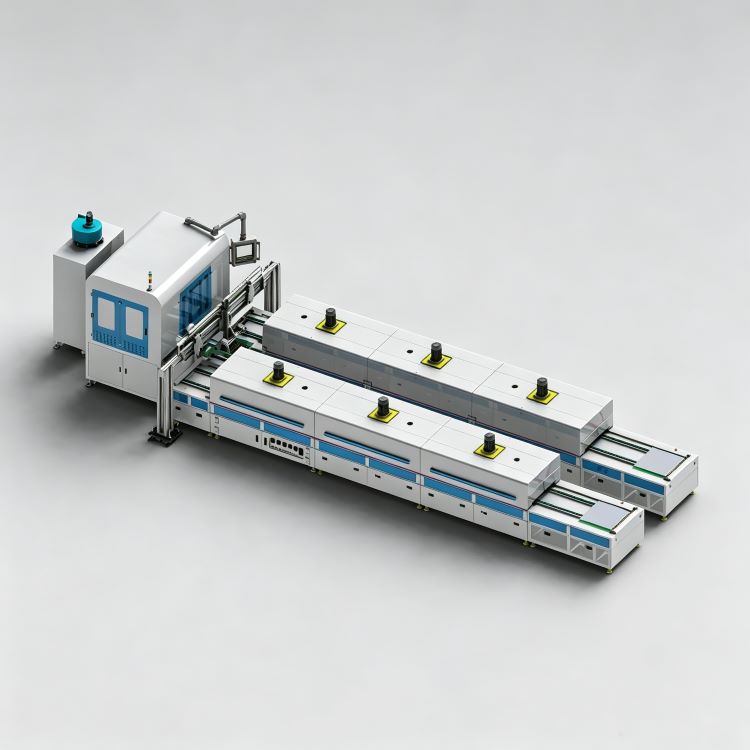 Magnetic Ring Spray Coating Line
Dual-Channel Electrostatic Spraying Machine
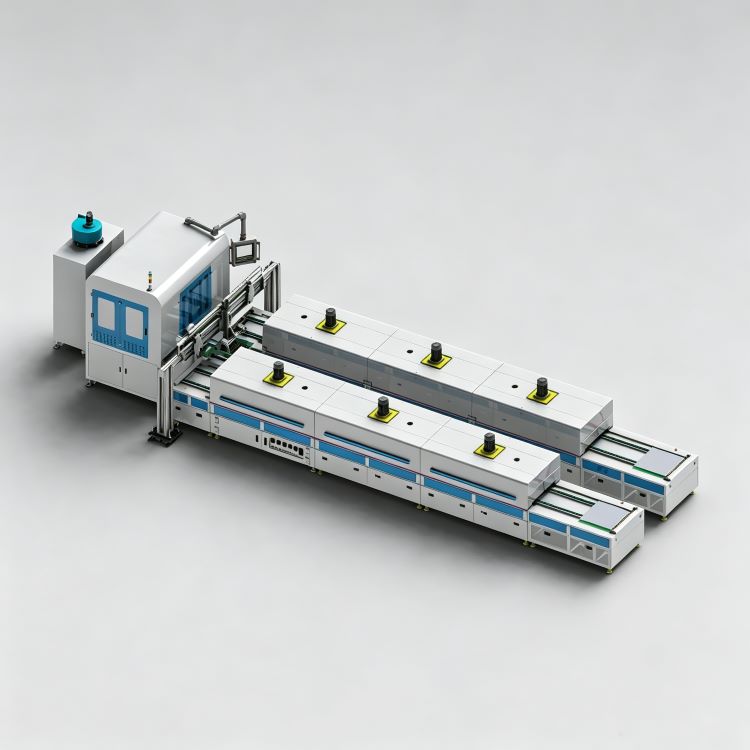
The Chuangke spraying machine is a powder coating line suitable for all types of magnetic material cores and electronic components. It adopts a double-layer oven design to save space and an HMI control system. Each process runs according to the settings, improving the quality of coated magnetic rings and reducing powder coating consumption; only one operator is required. The complete process delivers uniform coating thickness, good speed, pinhole-free and bright surfaces, and an extremely high yield rate. It offers the advantages of high speed, cost savings, simple installation, attractive coating, convenient operation, and stable performance.
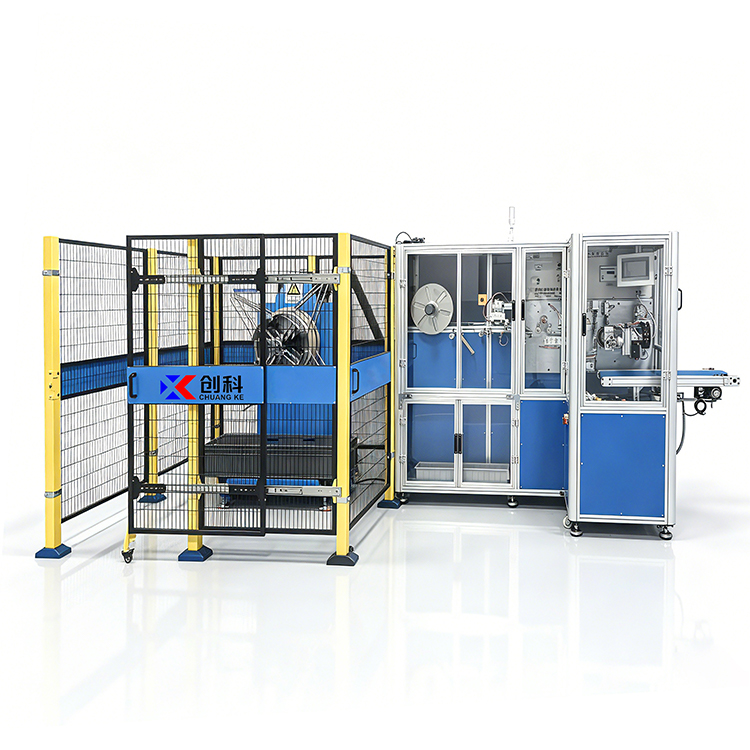 Iron Core Winding Machine
Magnetic Shielding Sheet Core Winding Machine
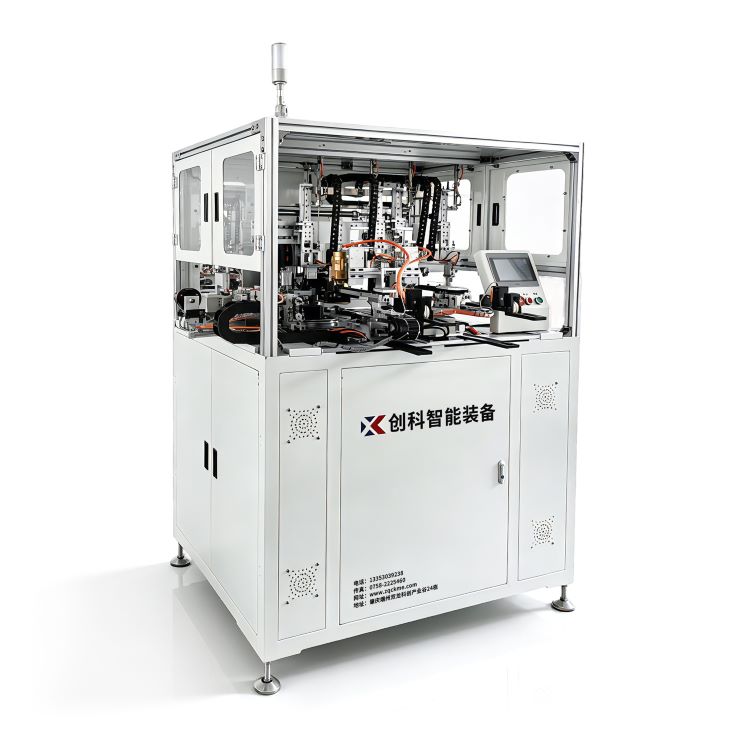
The Chuangke core winding machine is a high-speed, high-precision, intelligent, fully automatic winding device developed for precision cores. The machine’s core electronic control components use genuine original Panasonic components from Japan, greatly improving operating stability, repeatability and durability while delivering an extremely low failure rate and a simple, reasonable structure. With integrated fault self-diagnosis, it significantly reduces reliance on labor and effectively improves product consistency and production capacity.