










Automated Processing Solution for Wireless Charging Magnetic Cores
For thin magnetic materials, we control damage starting from the feeding and forming stages, then enable the orderly connection of positioning, lamination and inspection, taking care of every subtle processing action.
The thinner the material is, the more attention needs to be paid to every contact it receives.
When processing magnetic cores for wireless charging and magnetic isolation sheets, it is necessary to take into account the material state, product dimensions, and subsequent assembly methods. Thin materials are susceptible to damage from improper contact during handling, cutting, and positioning. Therefore, the solution should start from the feeding path, support method, and transfer sequence to reduce unnecessary picking and repeated positioning.
For different product structures, processes such as roll forming, fixed-length cutting, positioning, dispensing, or lamination can be combined. Each link is based on the verification of specific materials and sample parts, gradually confirming the process window, and then extending to continuous processing and online inspection.
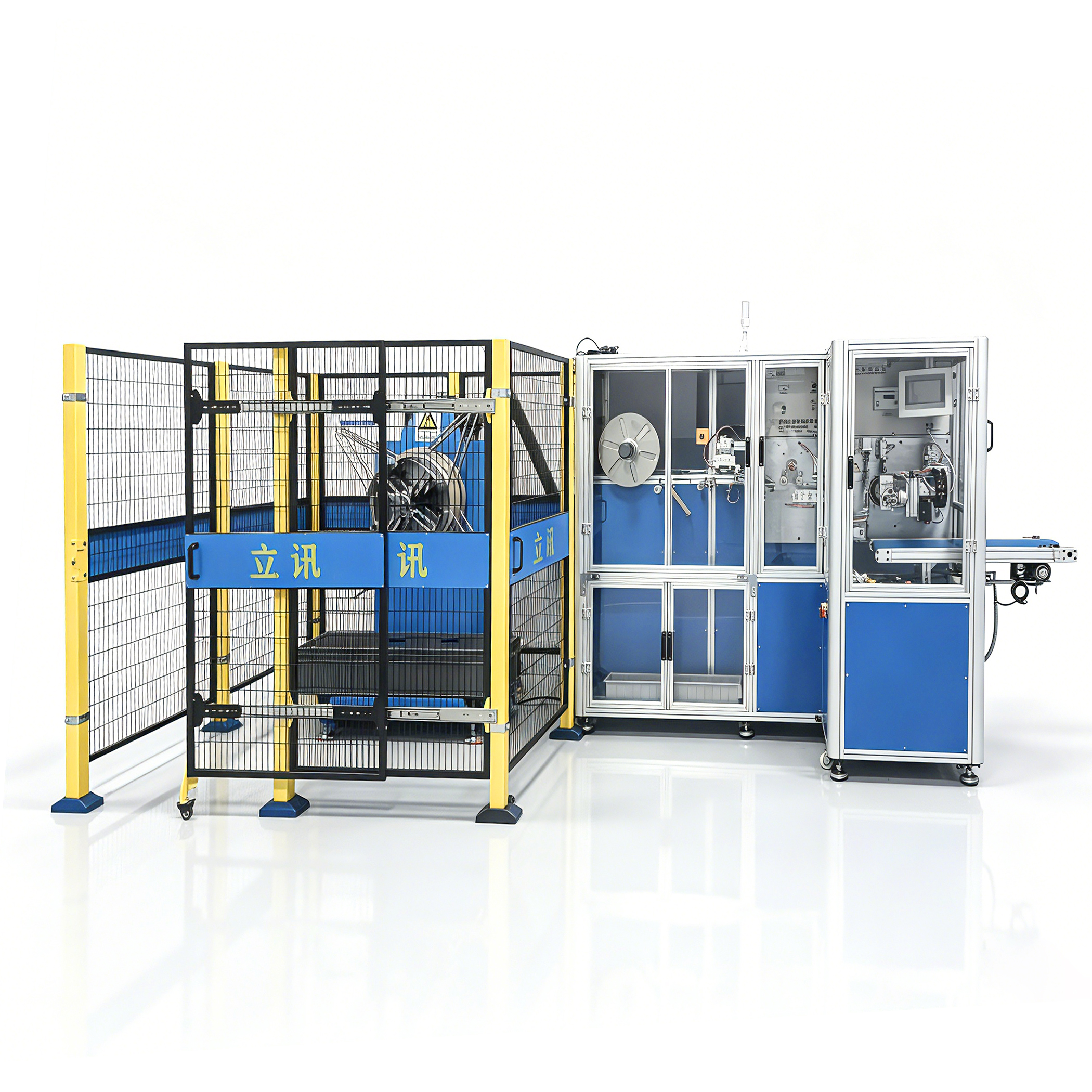
First control the material path, then pursue continuous processing
Whether the material feeding is stable and how the material enters the forming station will affect subsequent processing. Coordinating the unwinding, guiding and winding actions based on the actual structure of the magnetic isolation sheet iron core can reduce repeated interventions while establishing corresponding processing conditions for products of different sizes.
- Contact Management· Confirm the guidance, support, and pick-and-place methods in combination with the material characteristics.
- Parameter matching· Adjust the forming process according to product dimensions and incoming material status.
Give every process a clear next step
Based on the product process route, coordinate the actions, takt time and handover conditions of the front and back sections. The following is the process planning idea, and the specific modules can be combined according to production requirements.
-
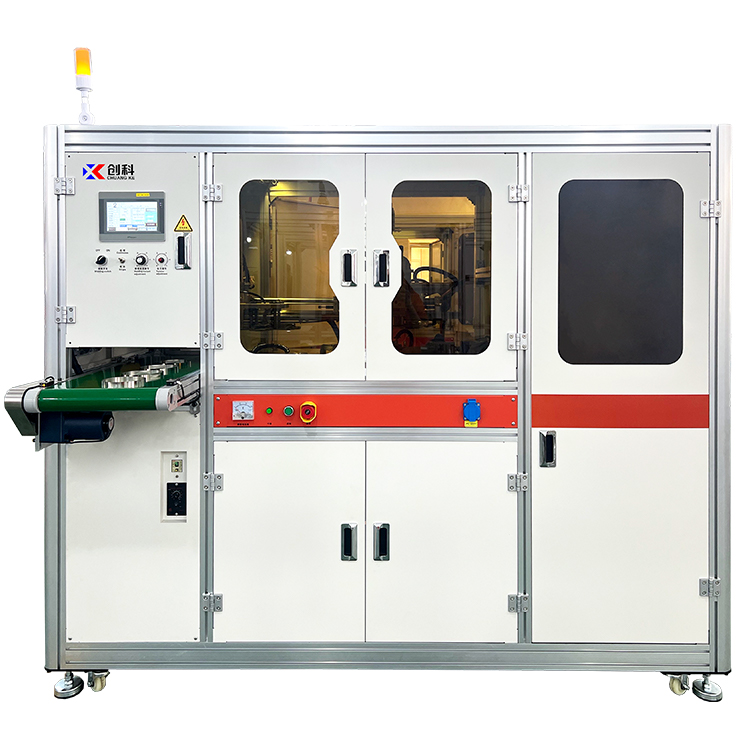
Feeding and Forming
Configure unwinding, winding, or slitting processes based on the materials and product structure.
-
Positioning and Transfer
Combine the shape of the thin sheet to plan the support, pick-and-place, and positioning methods.
-
Dispensing and Lamination
Configure the corresponding modules according to the rubber compound, assembly structure and process requirements.
-
Inspection and Collection
Arrange inspection and material discharge according to appearance, dimensions and assembly requirements.
Turn repeated positioning into orderly connection
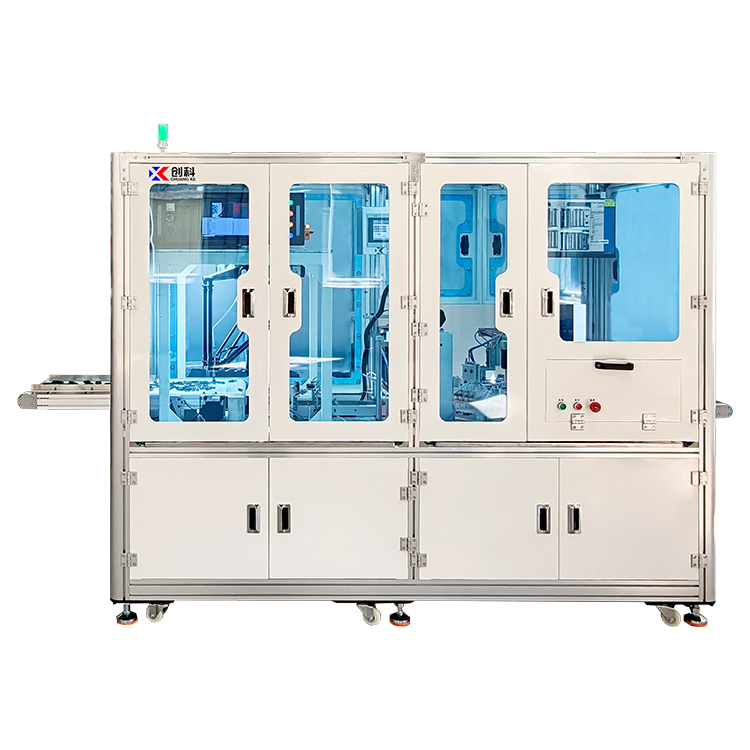
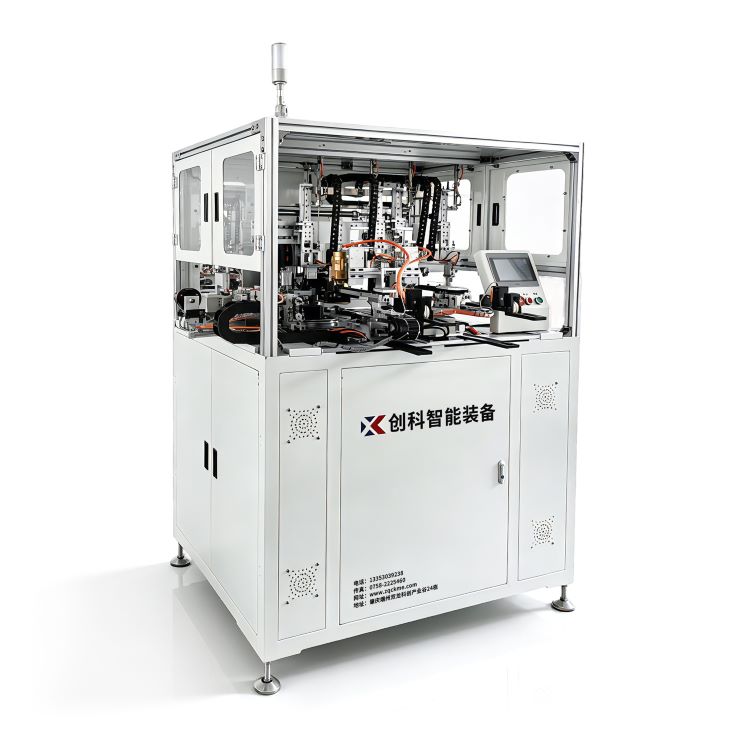
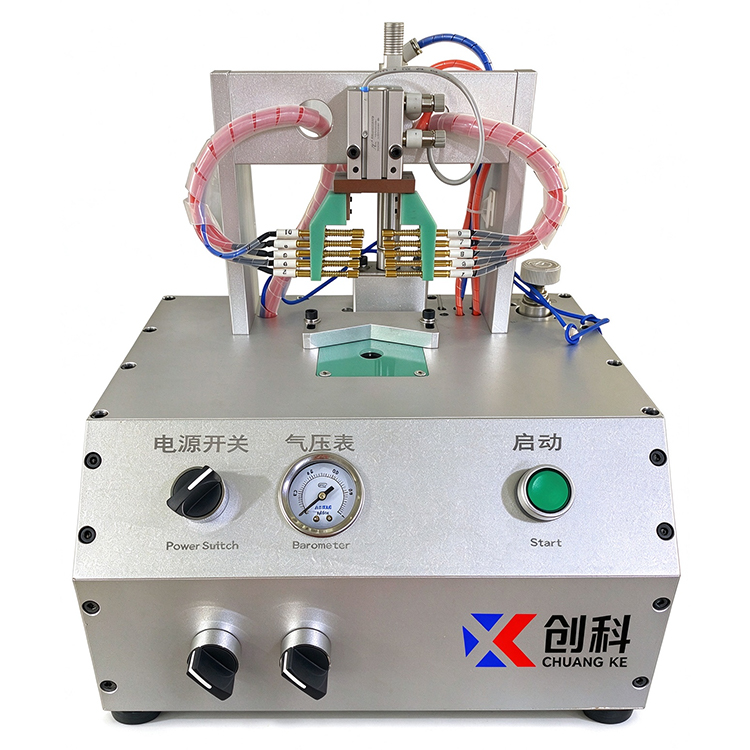
After forming, the handover of materials among positioning, dispensing, and lamination is equally critical. You can plan the support jigs and pick-and-place routes in combination with the product shape to reduce unnecessary flipping; when visual assistance is required, evaluate the corresponding modules based on the identification features and accuracy requirements.
During model changeover, verifying tooling, positioning benchmarks, and processing parameters together helps reduce omissions caused by modifying only a single parameter. The inspection content should be determined around the final assembly requirements, so that the front-end processing is consistent with the back-end usage.
Extend material protection to the entire processing path
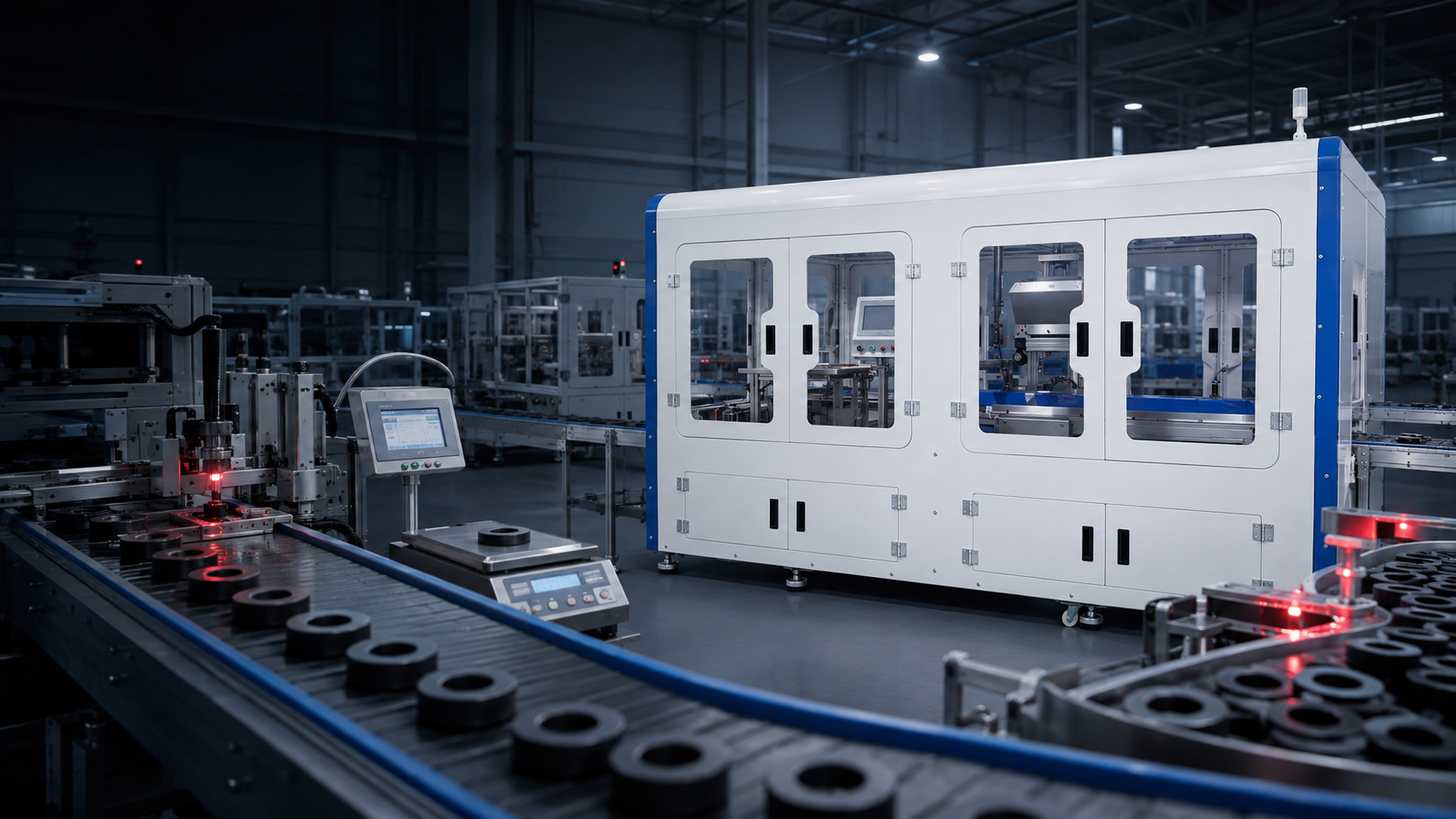
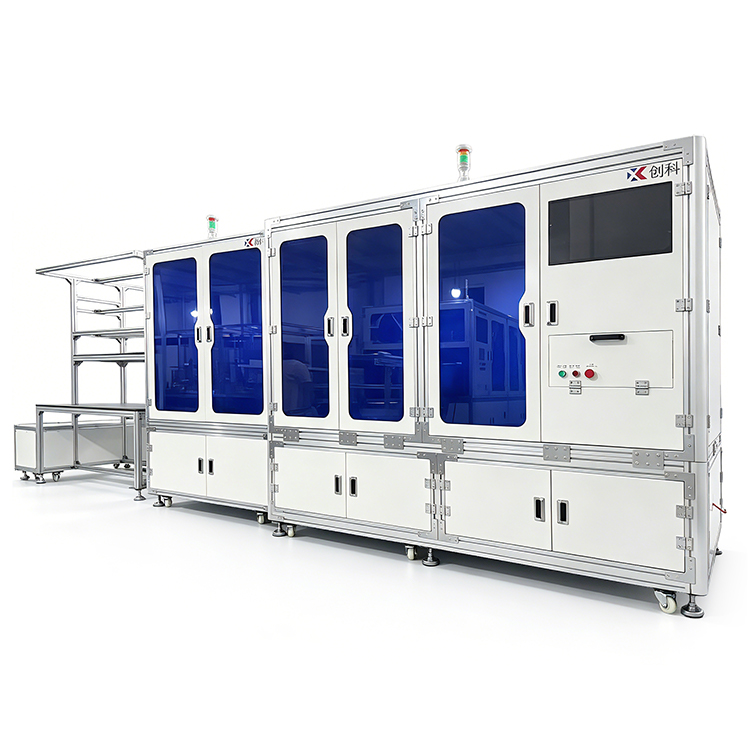
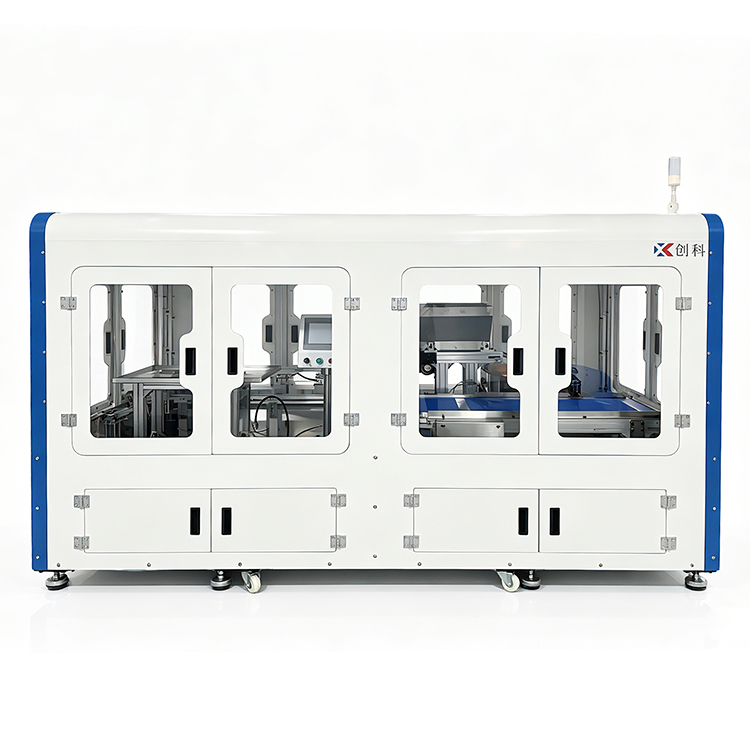
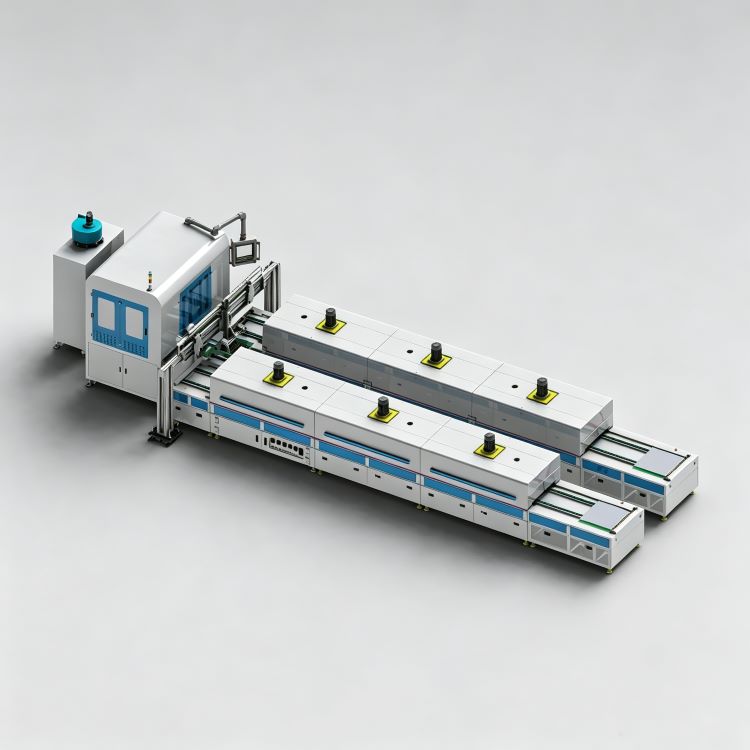
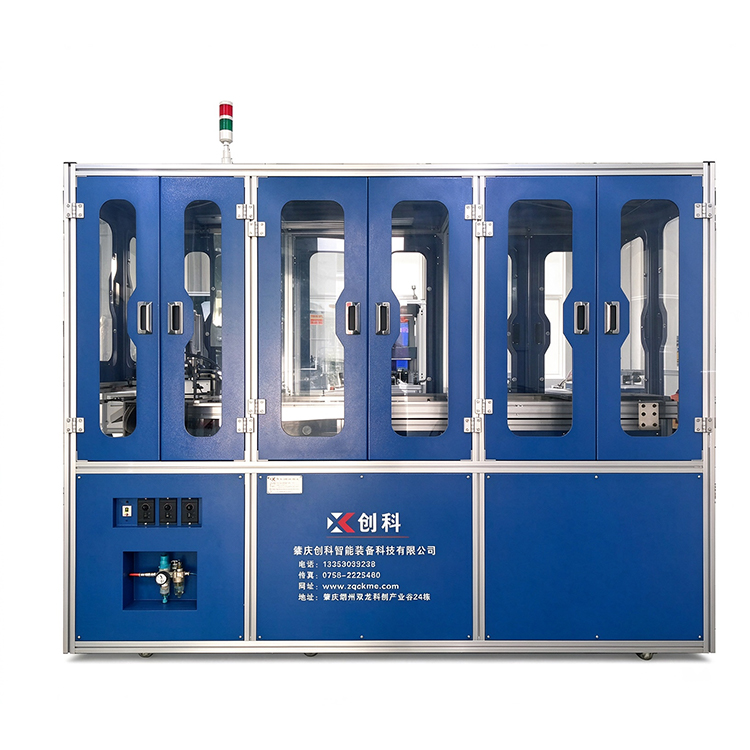
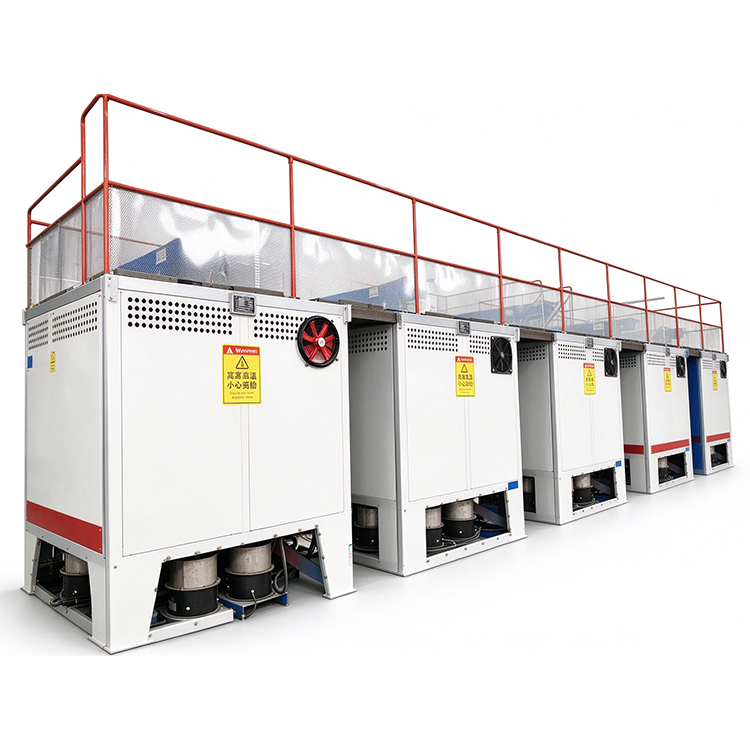
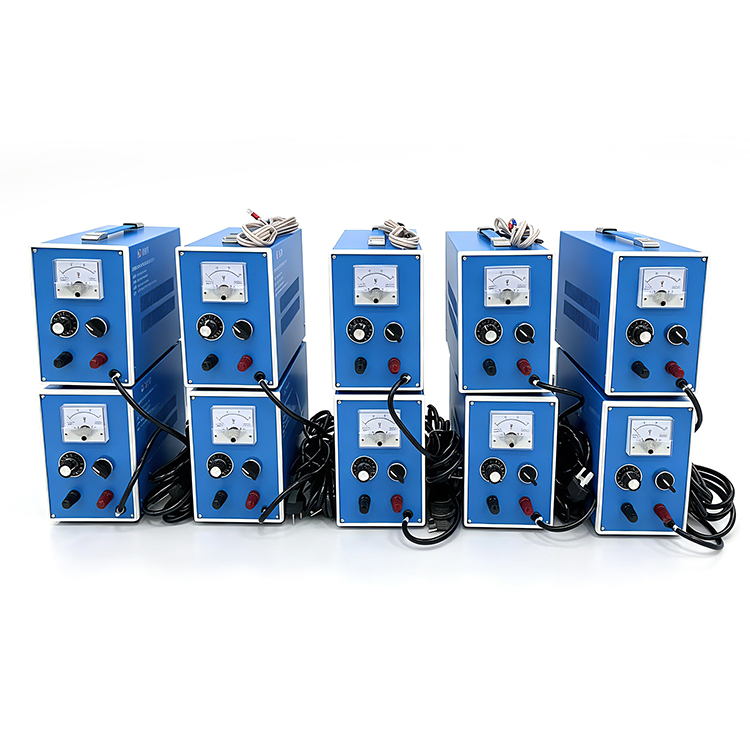
From the material supply end to the assembly end, the contact, positioning and transfer methods are coordinated in an overall manner. The scene supporting images are used to present the continuous processing idea, and the specific processes are combined according to the product structure.
Determine the focus of the plan based on practical applications
consumer electronics module
For products such as mobile phones and charging bases, focus on the positioning and assembly connection of thin materials.
Smart wearable devices
Combine the form factor of small-sized products to plan the pick-and-place methods, tooling, and inspection processes.
car wireless charging
Organize processing and testing workflows around module structure, material requirements, and traceability needs.
It is recommended to confirm the process in combination with material thickness, external dimensions, rubber compound requirements, assembly drawings and inspection standards. For vulnerable materials, first verify the key pick-and-place and forming actions, and then determine the configuration of the entire line.