



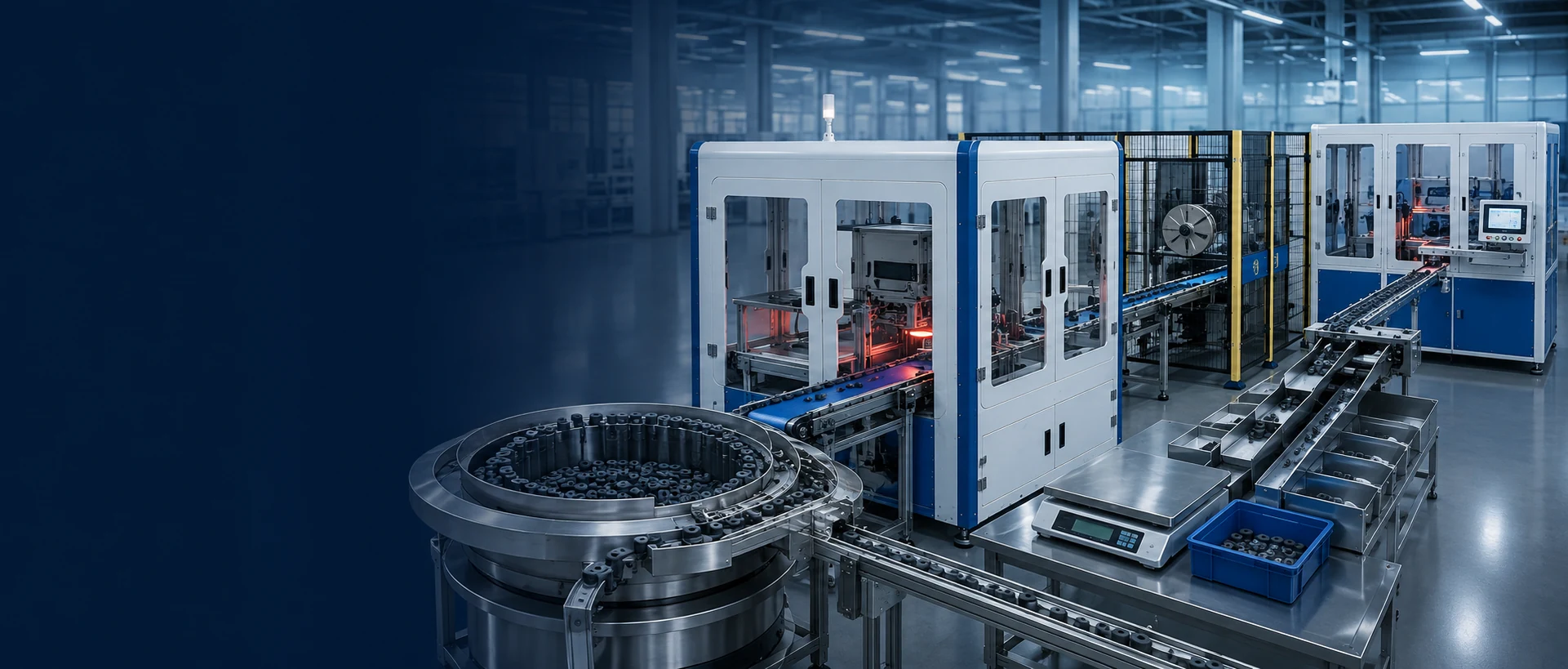
Automated Production Solutions for Inductors and Common-Mode Components
Starting from winding consistency, we connect in-circuit testing, product triage, and data logging to ensure each process step is fully prepared for the next one.
Apply winding experience to stable process conditions
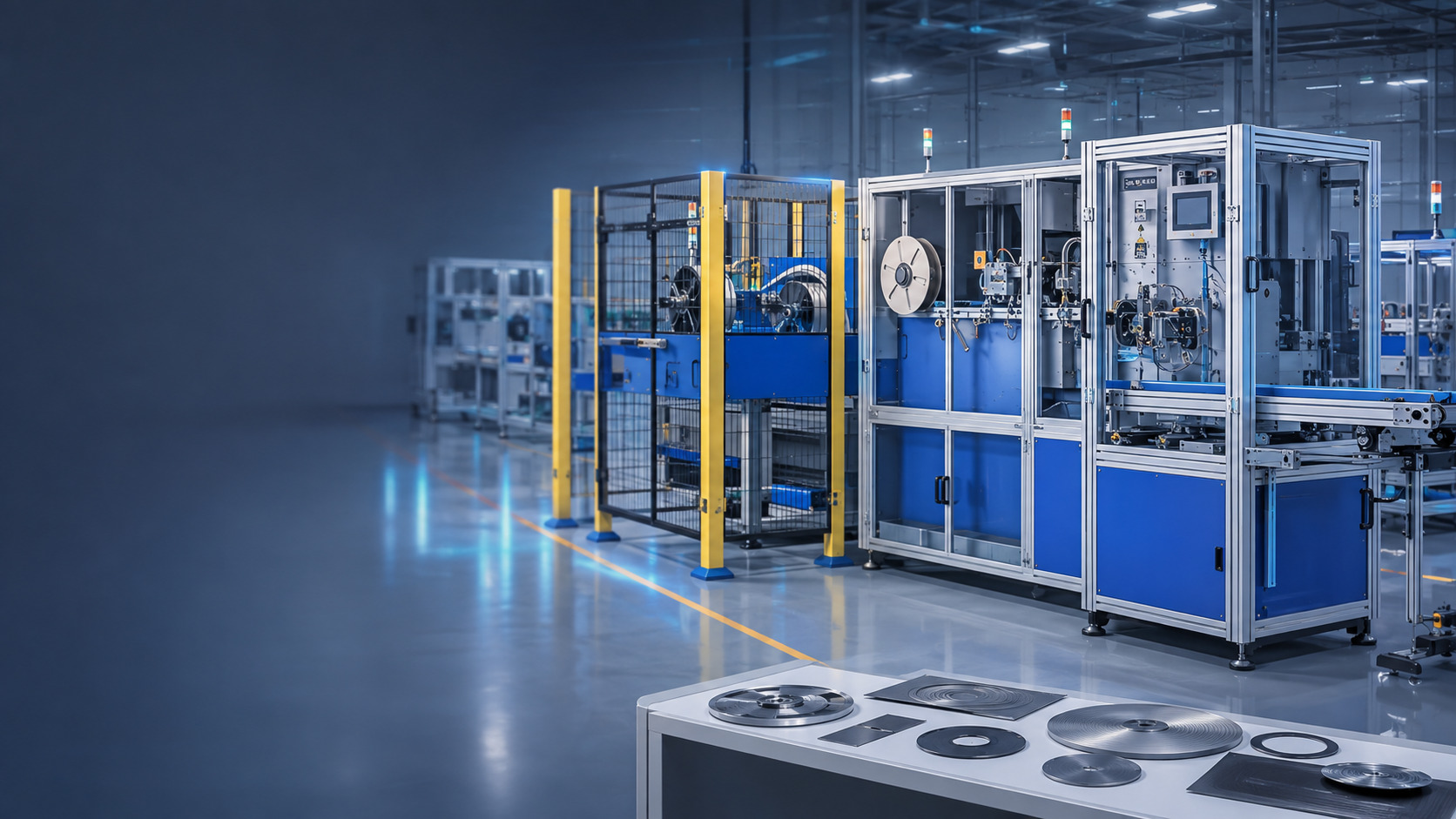
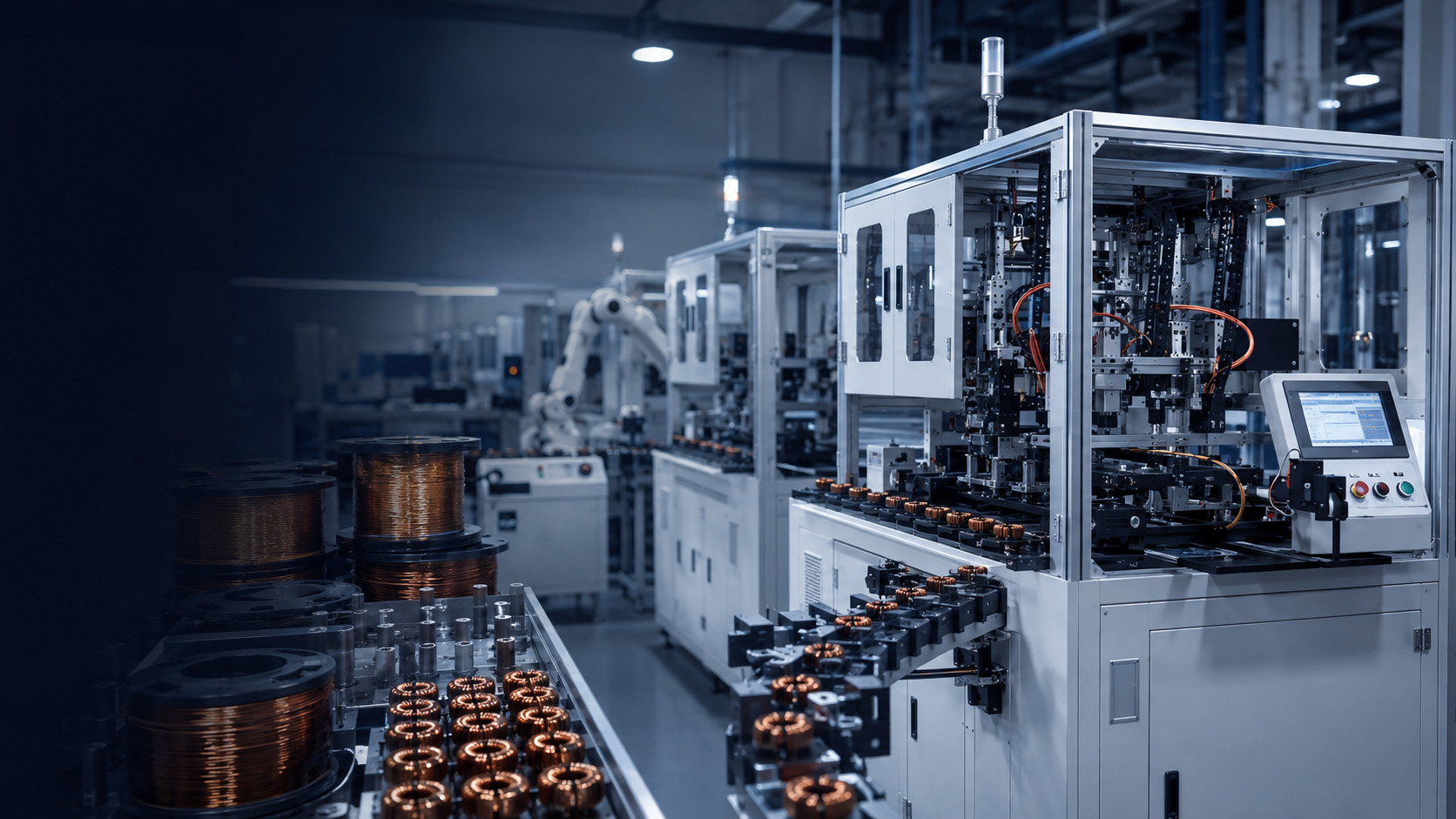
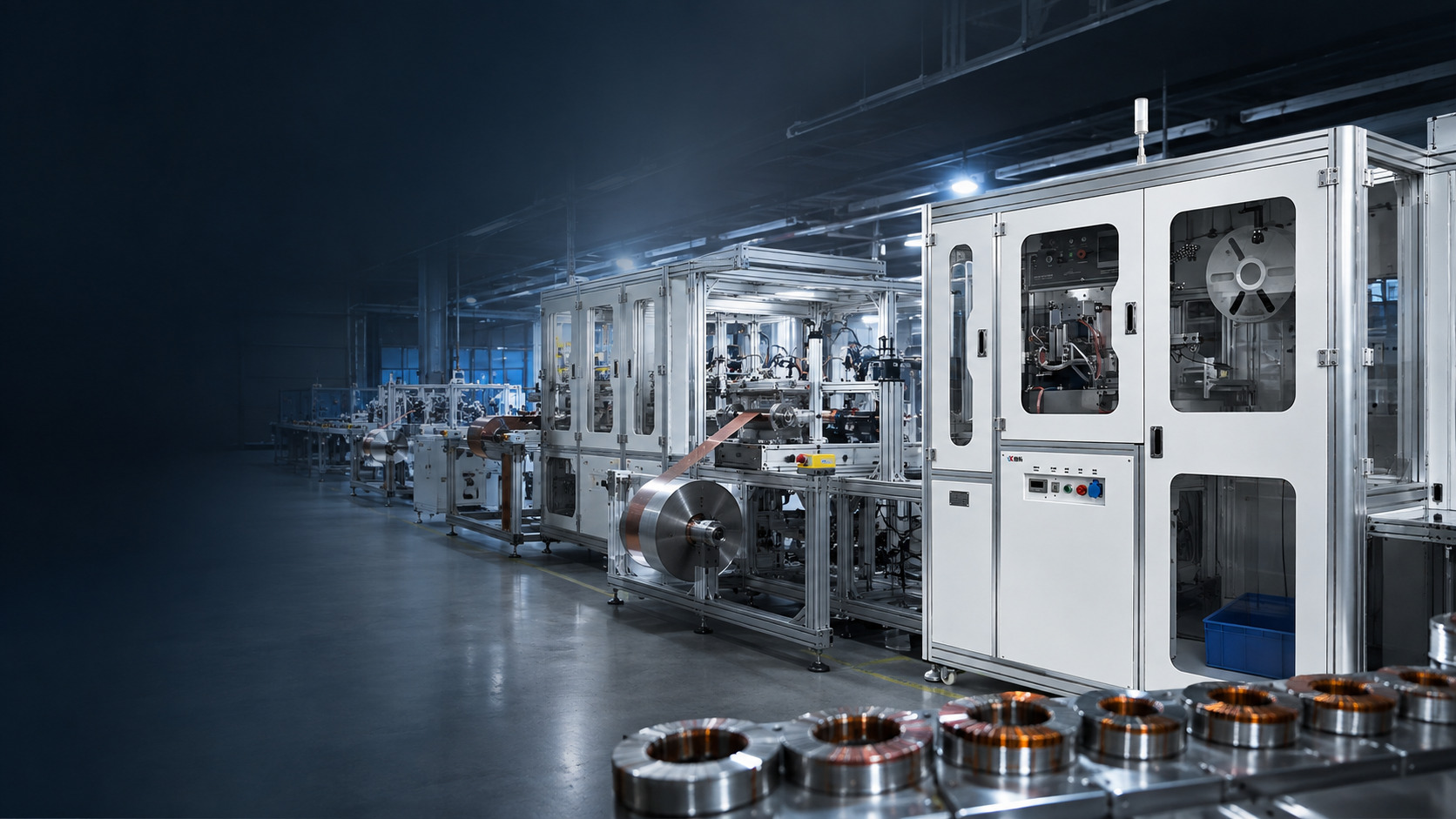
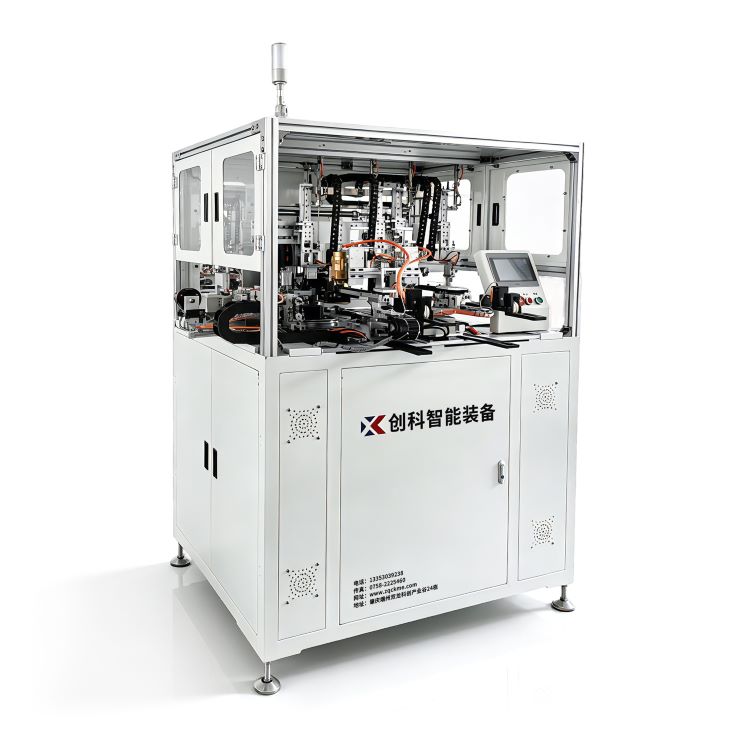
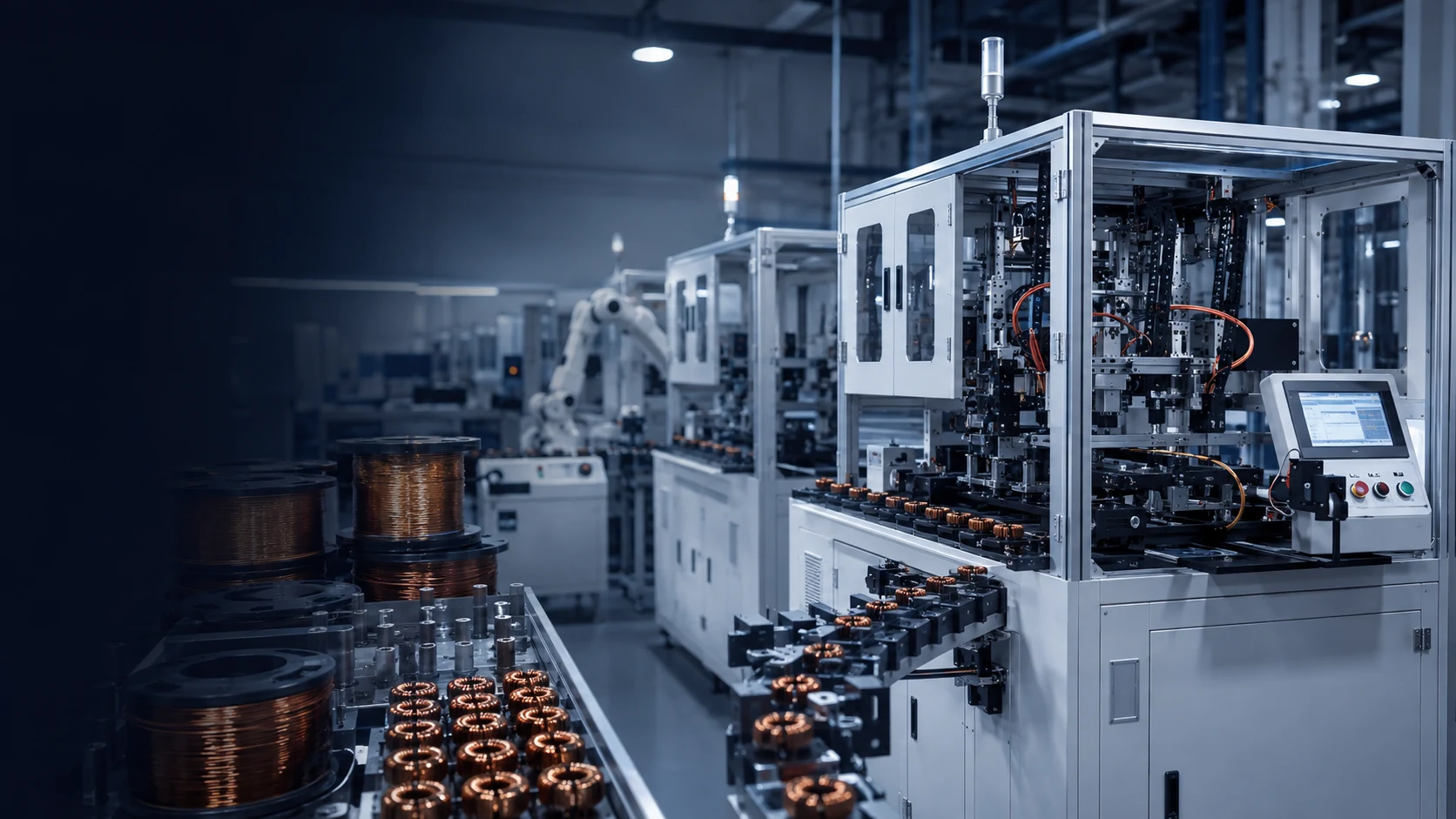
The production of inductors and common-mode components requires attention to the number of turns, winding arrangement, wire tension, and product positioning. When switching between multiple product varieties, tooling adjustments and parameter settings will directly affect subsequent operations. The solution plans automated processes around the wire, magnetic core, and winding structure, providing clearer operation guidelines for product changeovers and daily production.
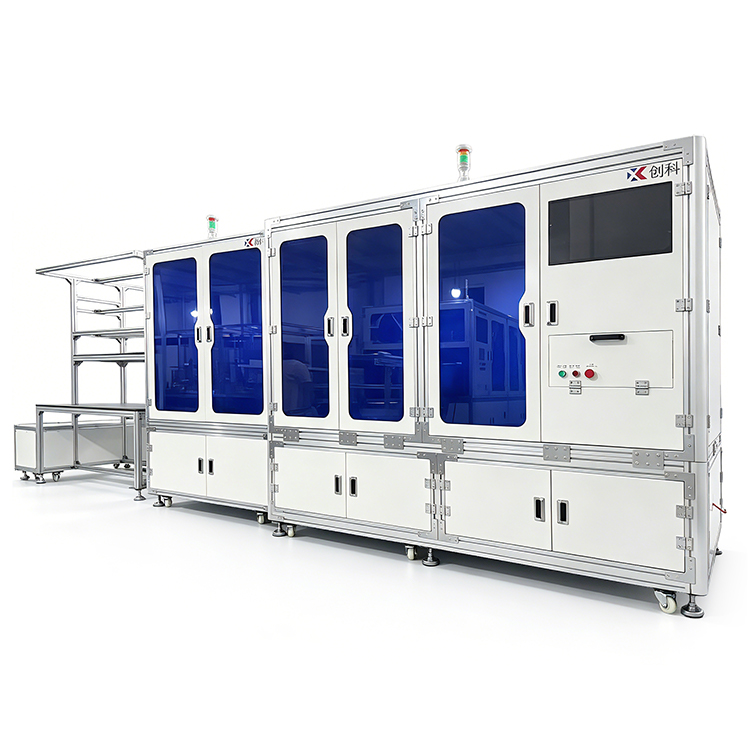
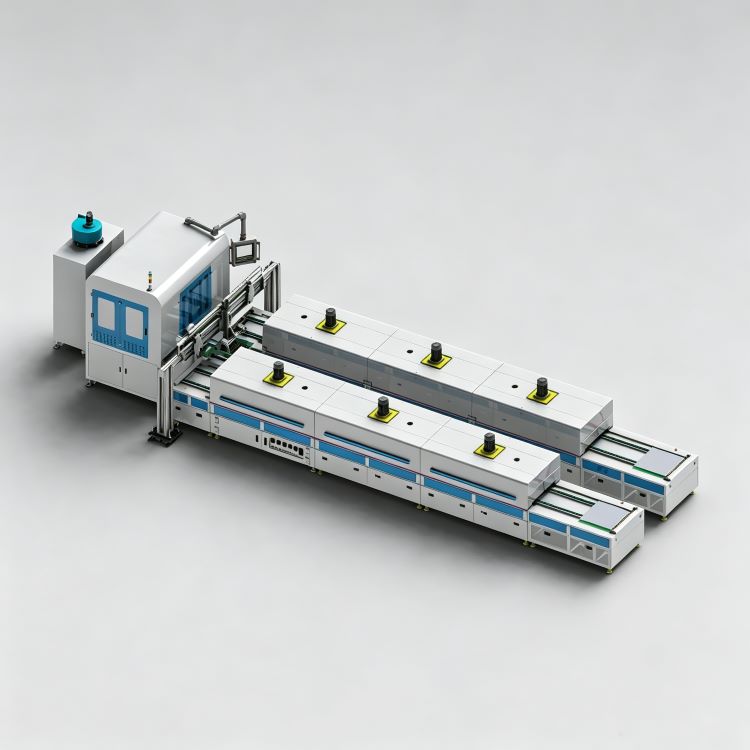
Integrating post-winding testing, sorting, and collection into a unified process can reduce intermediate transfers and redundant judgments. For products requiring traceability, the binding of product identification and results can be further planned, so that production records can support batch query and anomaly analysis.
Make the number of turns, wire arrangement and tension work in synergy
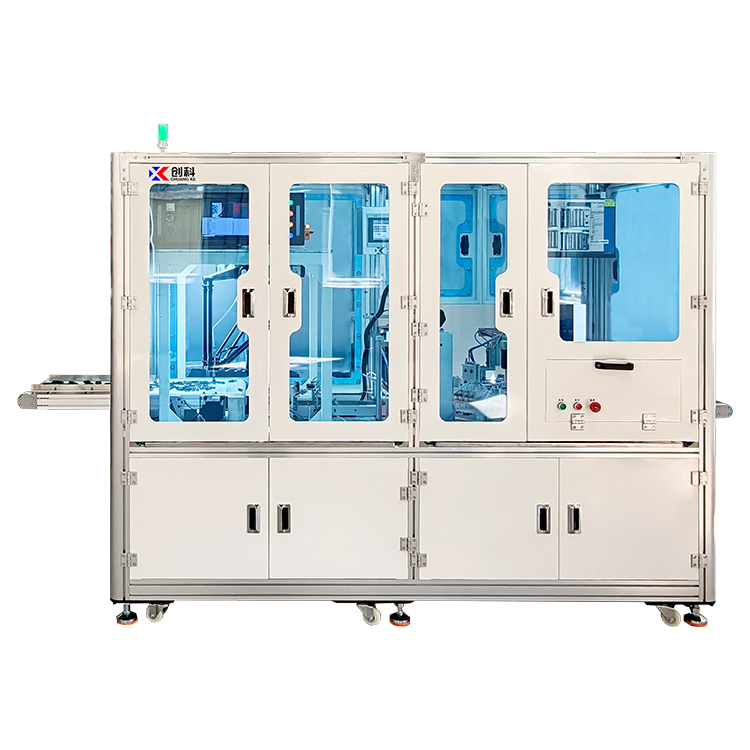
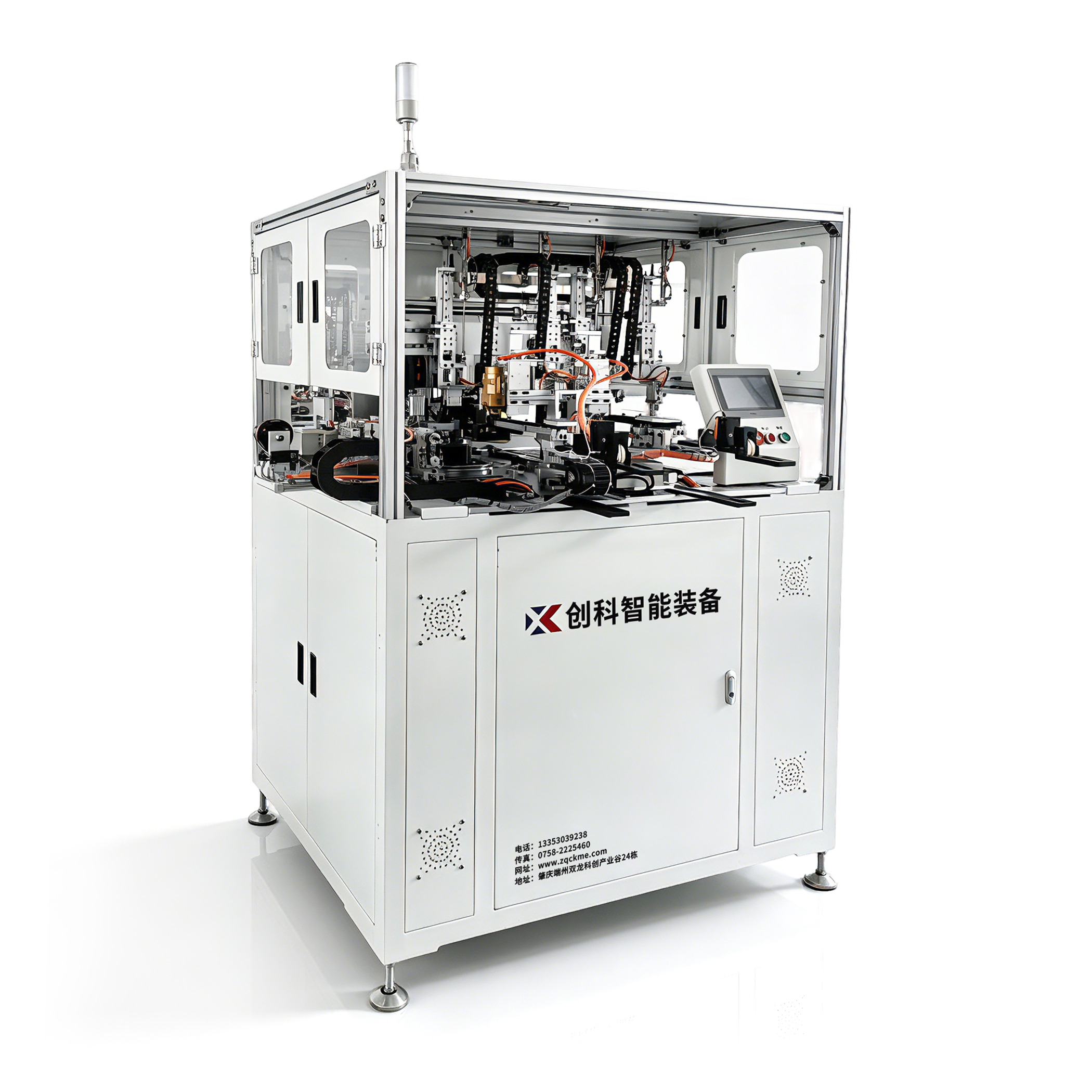
The winding quality depends on the coordination of multiple actions. Configure tooling and parameters in combination with the core shape, wire diameter and winding requirements, so that the feeding positioning, wire guiding and winding actions cooperate with each other, establishing a stable premise for subsequent inspection and assembly.
- Process Matching· Confirm the applicable scope according to the wire diameter, winding structure and magnetic core size.
- Model change preparation· Clarify the operation procedures for tooling replacement and parameter verification.
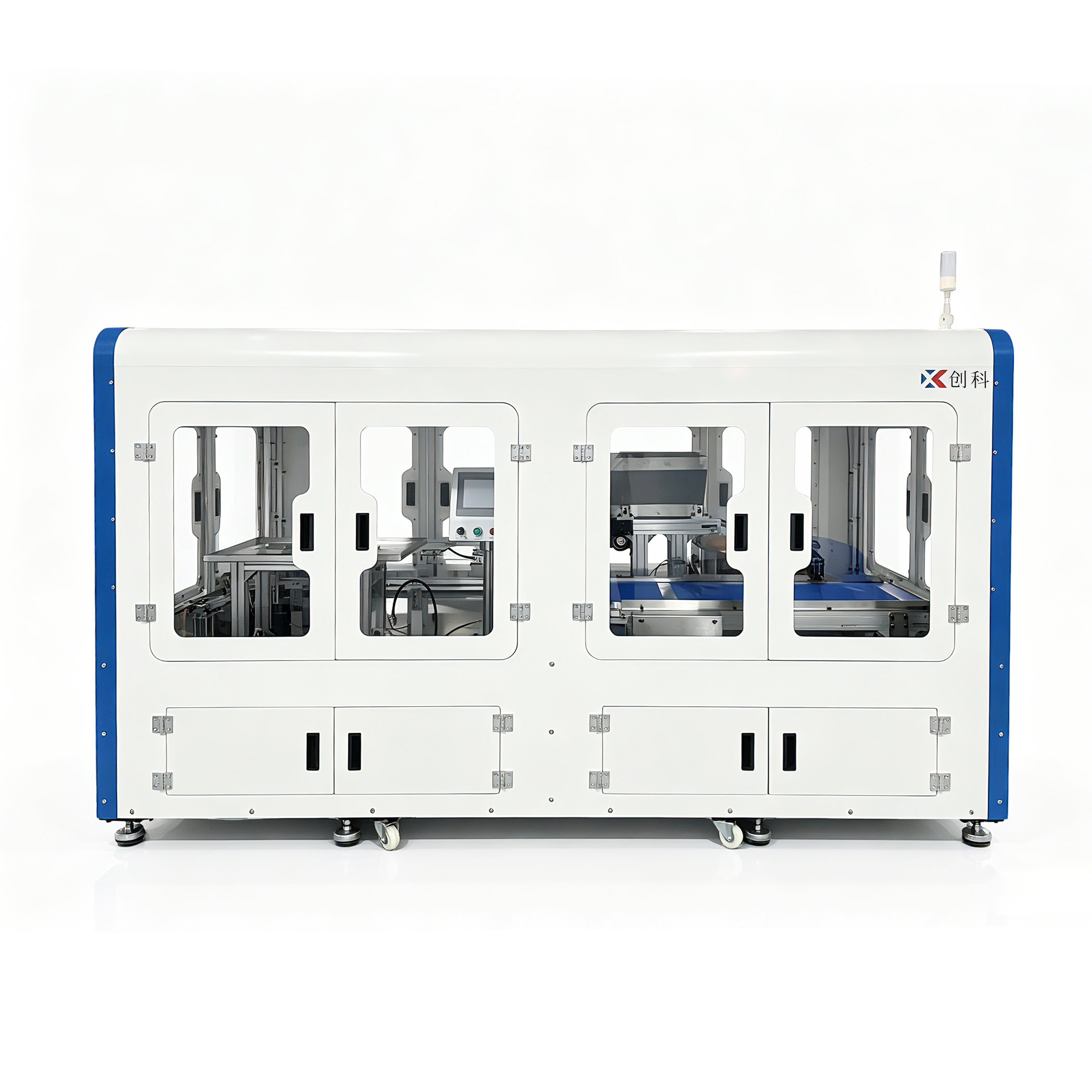
Incorporate quality inspection into the product flow path
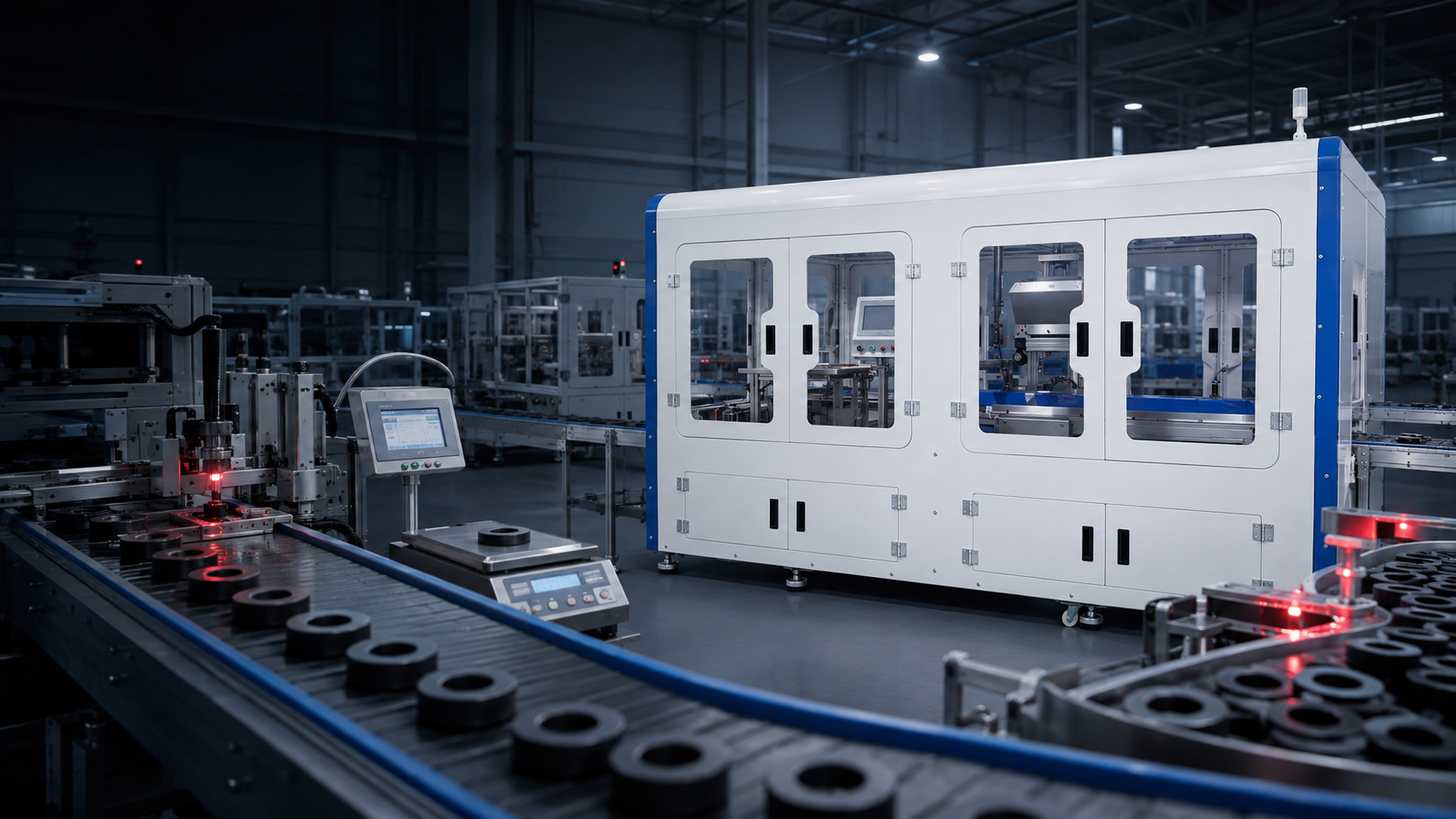
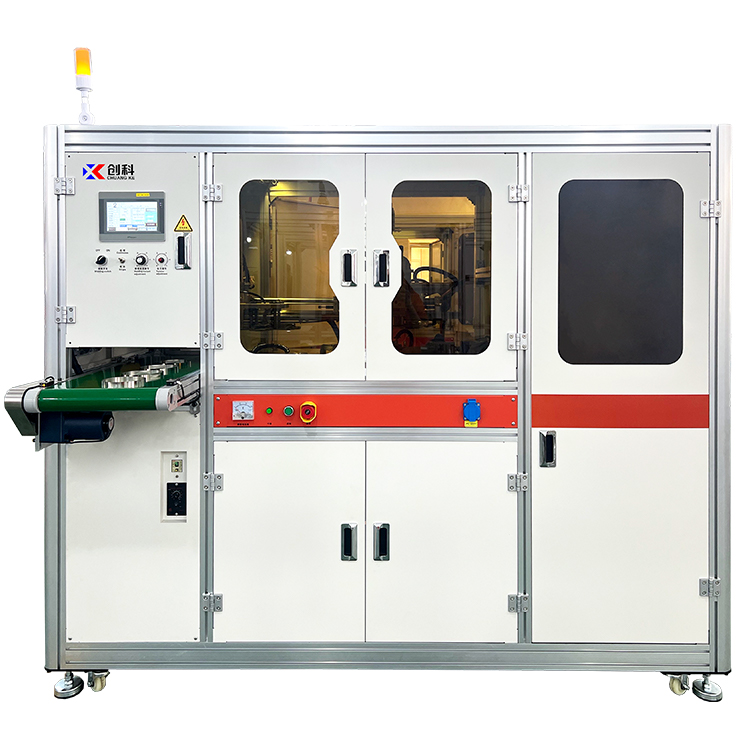
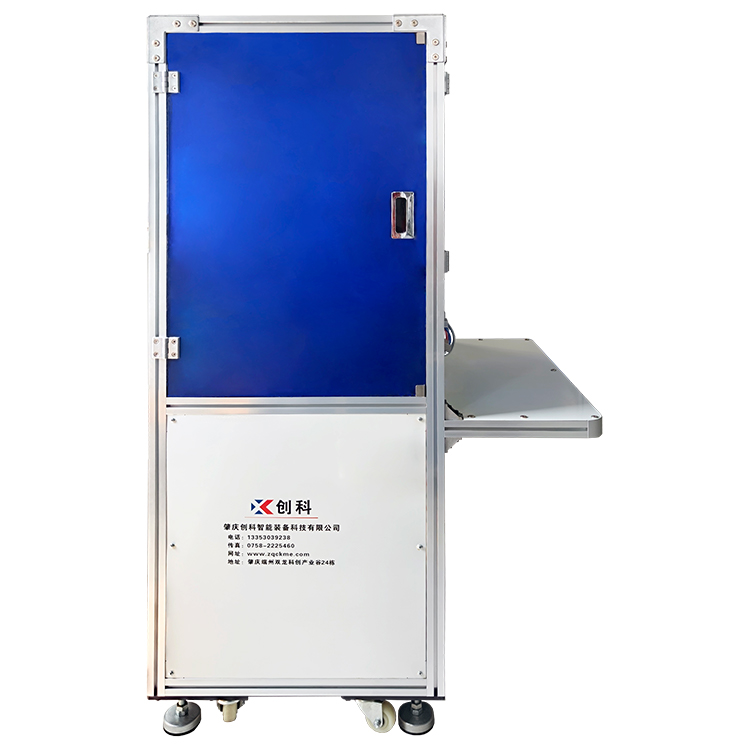
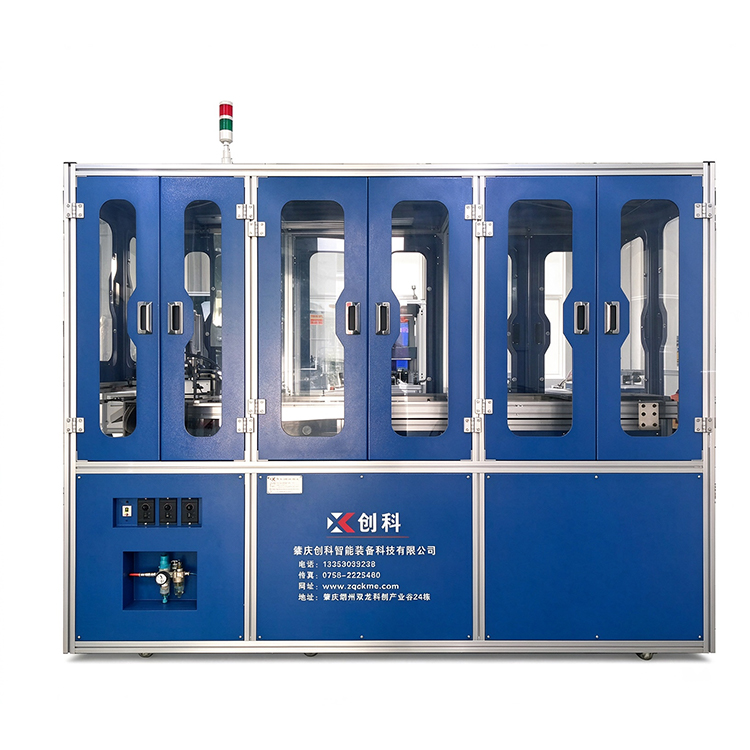
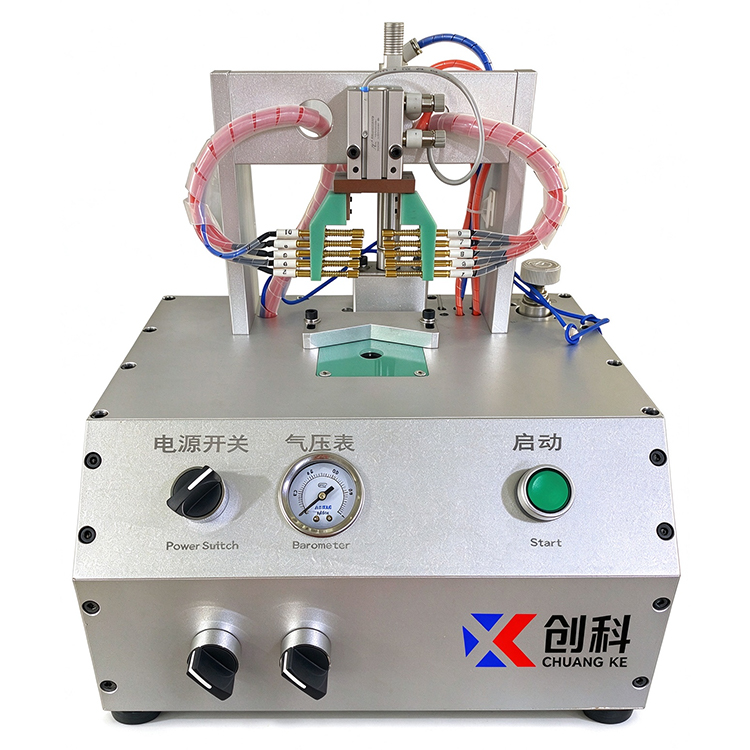
According to the actual inspection items for inductive components, plan the corresponding test stations and contact fixtures, and connect the test judgment and sorting logic. The illustrated detection and sorting unit reflects the process organization idea, and the specific test method needs to be confirmed according to the product and instrument configuration.
- on-demand testing· Select instruments, jigs and test sequences around the inspection items.
- Exception Isolation· Abnormal products detected are collected independently to facilitate retesting and analysis.
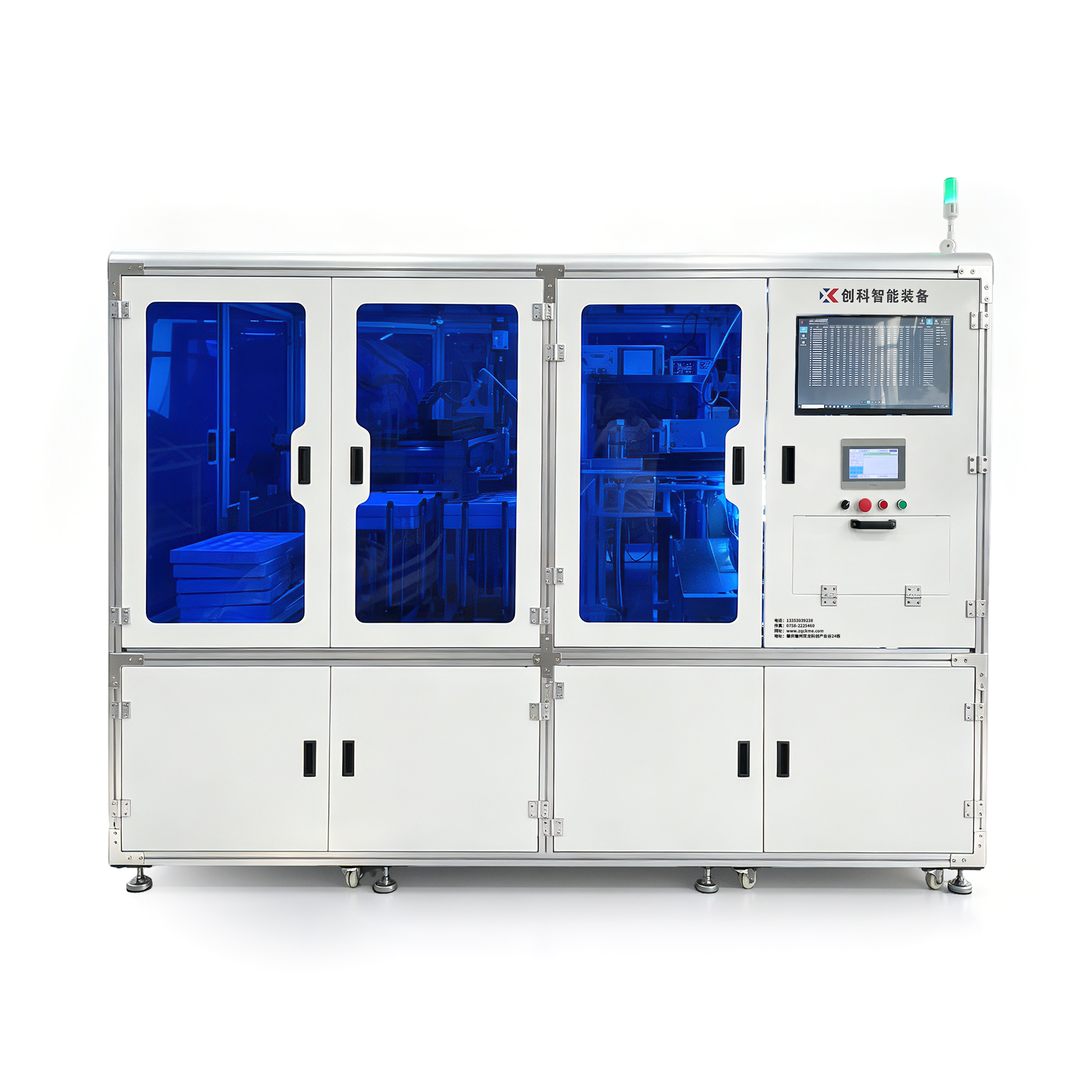
Let production records keep pace with physical handover
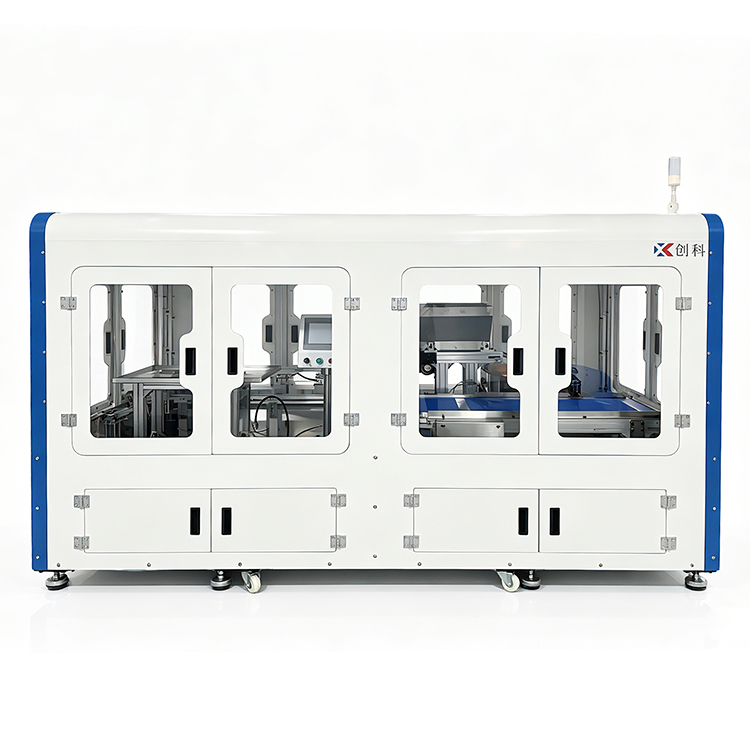
Clarifying the relationship between product identity and batch during the collection and transfer processes helps to prevent disconnection between test results and actual products. Barcoding, counting, and result recording can be planned based on on-site management requirements, and tray placement or other output forms can be arranged according to the subsequent assembly method.
- Result Association· Plan the relationship between product identification and test records according to traceability requirements.
- Interface Planning· Confirm the data fields and interaction methods in combination with the existing management system.
Ensure that every process has a clear next step
Based on the product process routing, coordinate the actions, cycle times and handover conditions of the preceding and subsequent production stages. The following is the process planning concept, and specific modules can be combined according to production requirements.
-
Positioning and feeding
Combine the magnetic core structure and wire specifications, and prepare tooling and material supplies.
-
automatic winding
Coordinate process conditions such as number of turns, wire arrangement, and tension.
-
test sorting
Complete the testing in accordance with product requirements, and separate abnormal products.
-
Record handover
Record results and collect them in an orderly manner according to batch or product identity.
From the winding station, extending to traceable production processes
Center on the actual product to connect the production process and quality inspection, ensuring that product changeovers have a basis, abnormalities are traceable, and handovers have documented records.
Determine the focus of the solution based on practical applications
common mode inductor
Coordinate positioning, winding and post-stage testing around the magnetic core structure and winding requirements.
filter inductor
Configure workstations and discharging methods in combination with wire diameter, product specifications and inspection items.
Power Supply and Automotive Electronics
Plan testing records and data interfaces according to the batch management requirements of specific components.
Provide magnetic core dimensions, wire diameters, winding diagrams, test requirements and target takt time, which can be used to evaluate winding methods, tooling scope and back-end automation connection.