










Intelligent Manufacturing Solutions for Amorphous and Nanocrystalline Iron Cores
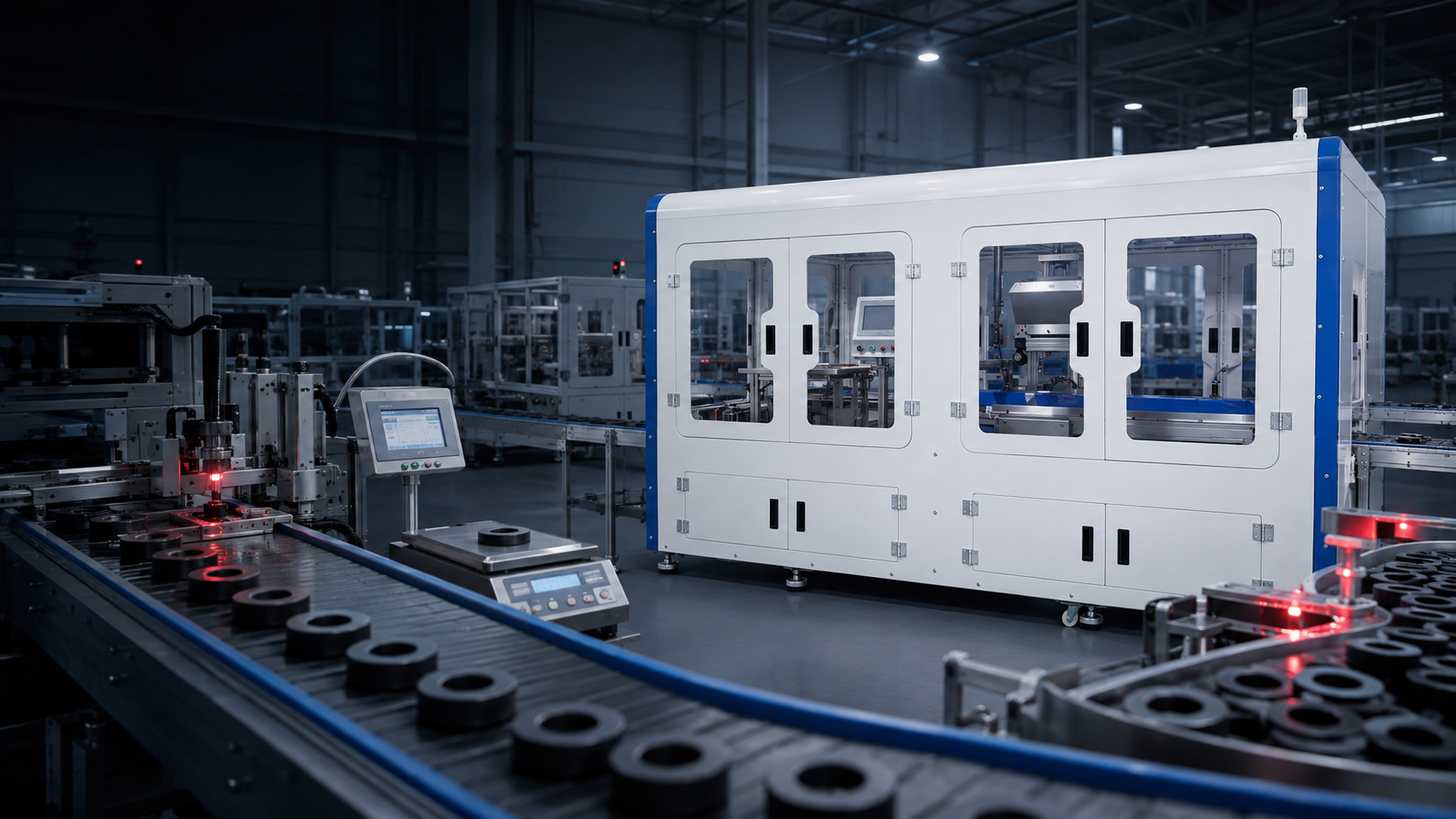
From a roll of strip to a stable iron core, material protection, precision forming, and post-stage assembly are coordinated at the same production rhythm.
Transform material properties into the starting point for process control
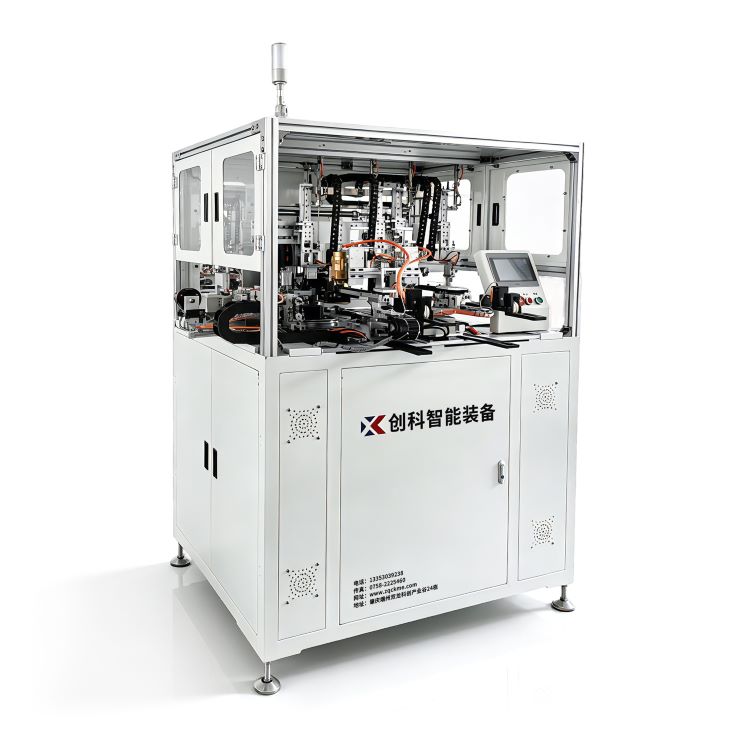
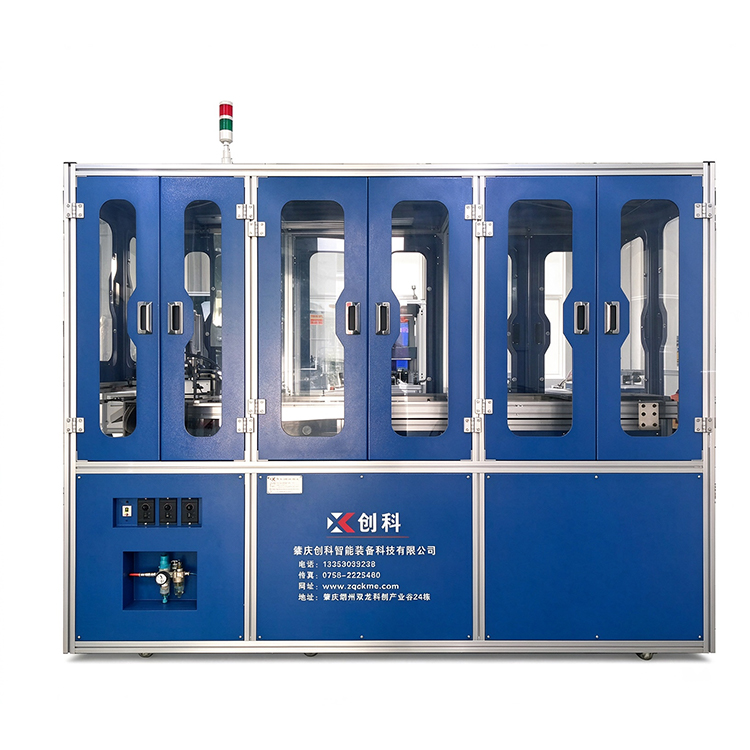
The manufacturing of amorphous and nanocrystalline iron cores requires simultaneous attention to the state of the strip, the winding form, and the subsequent circulation process. Changes in tension, unstable connections, or repeated handling between processes may all affect product consistency. The solution organizes automation modules around key processes, so that each feeding, winding, and handover process has clear control boundaries.
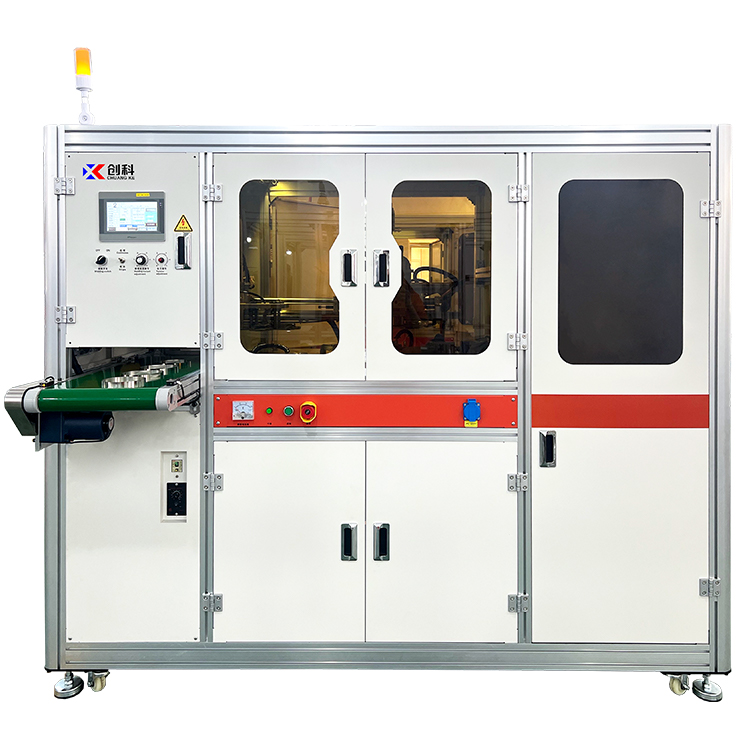
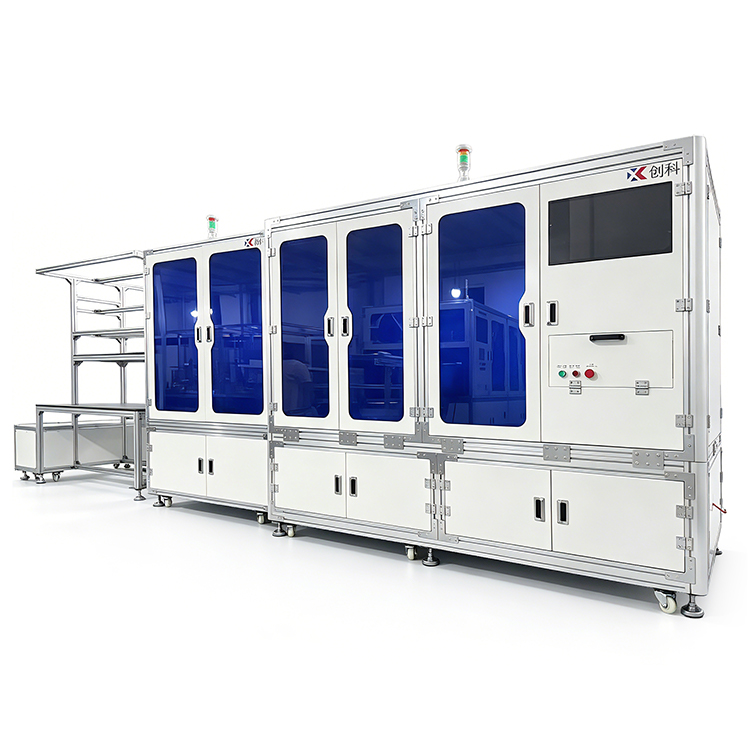
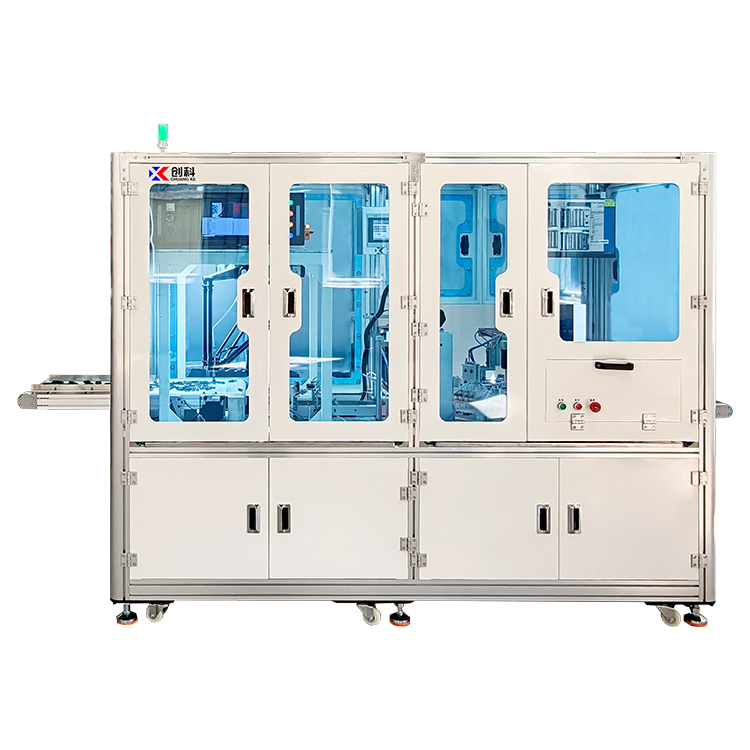
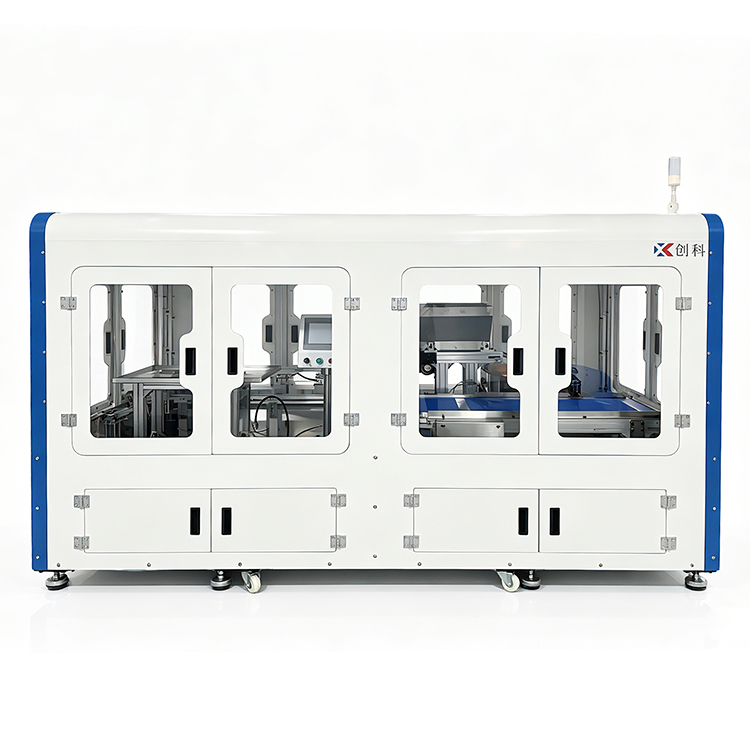
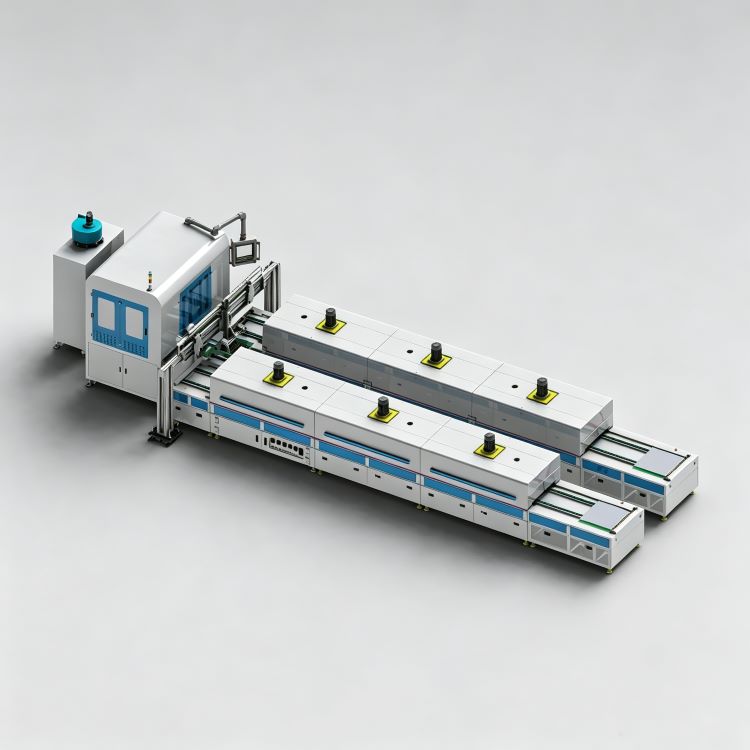
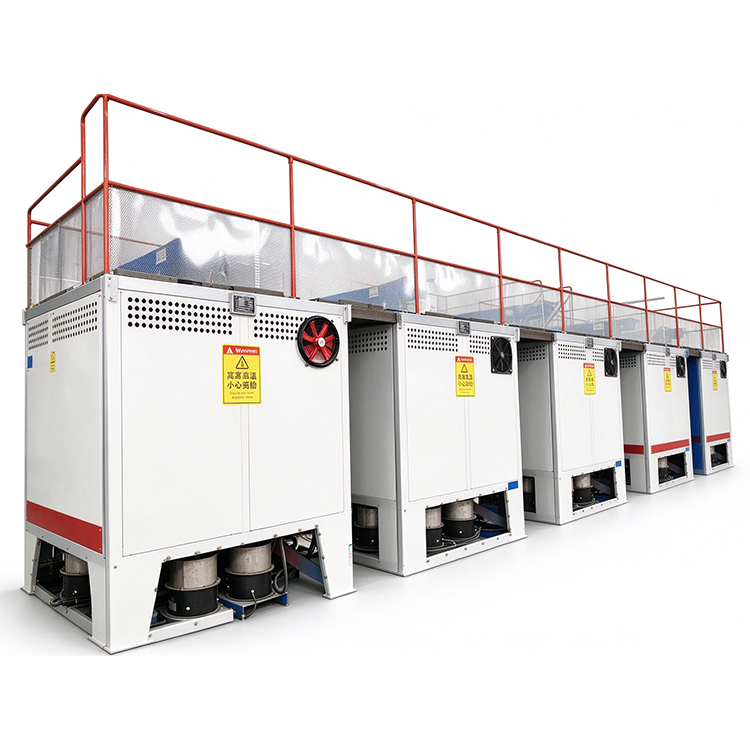
Units for winding, welding, weighing, box packing and inspection can be combined according to the iron core size, strip width, product structure and target cycle time. For products requiring heat treatment, the connection between the front and rear sections and batch circulation can be planned in combination with the actual process, so as to gradually establish a manufacturing path suitable for your own products.
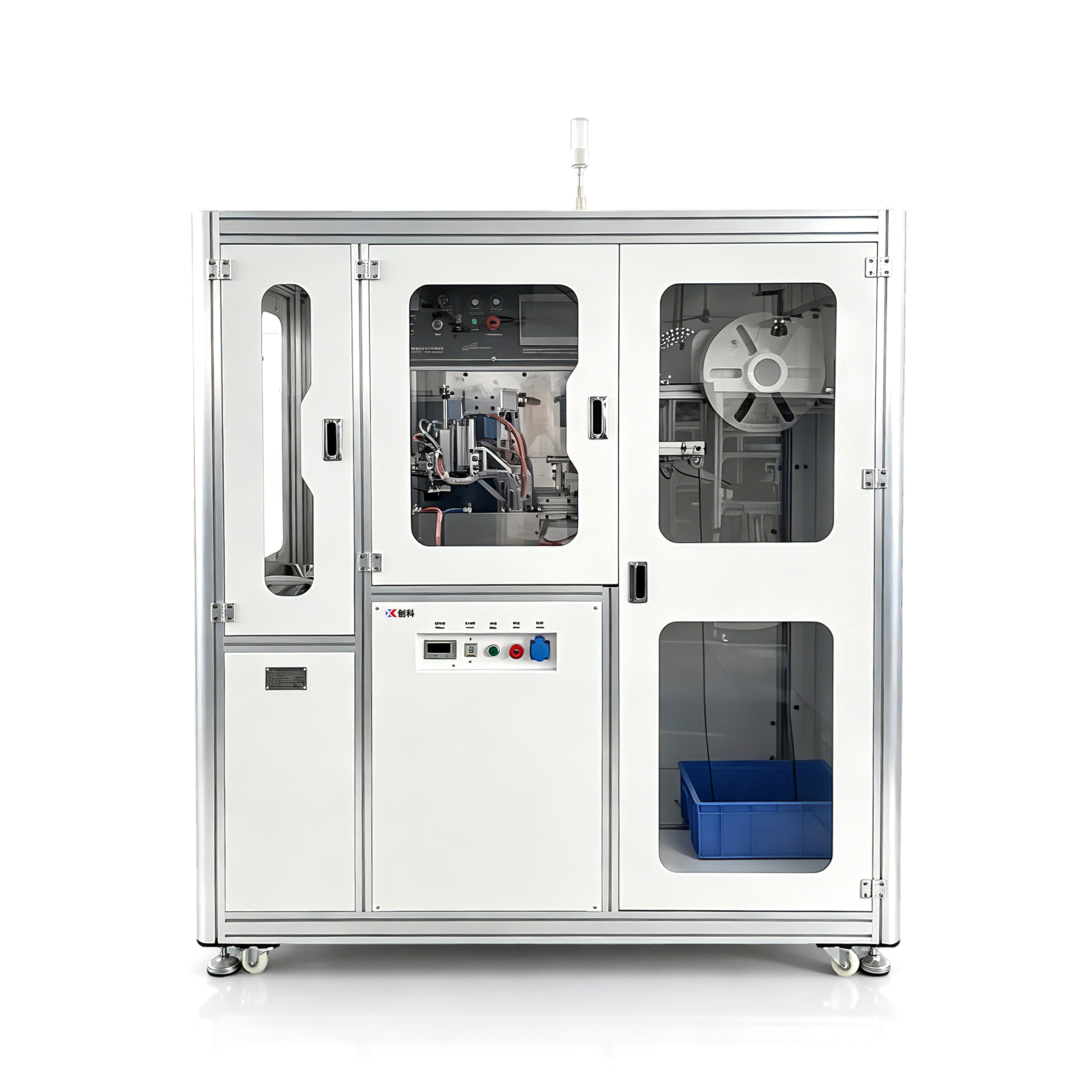
Ensure that each layer of winding remains controllable
Coordinate the tension and winding operations starting from the feed end, so that the strip enters the forming station according to the set path. Establishing corresponding process parameters for different specifications helps reduce repeated debugging after product changeover, and enables size control and material protection to be implemented in specific operations.
- material supply connection· Configure the guiding, uncoiling and connection methods according to the strip status.
- Specification Switching· Set winding parameters and tooling based on dimensions and bandwidth.

Let the box packing and dispensing processes keep up with the production rhythm of the preceding section
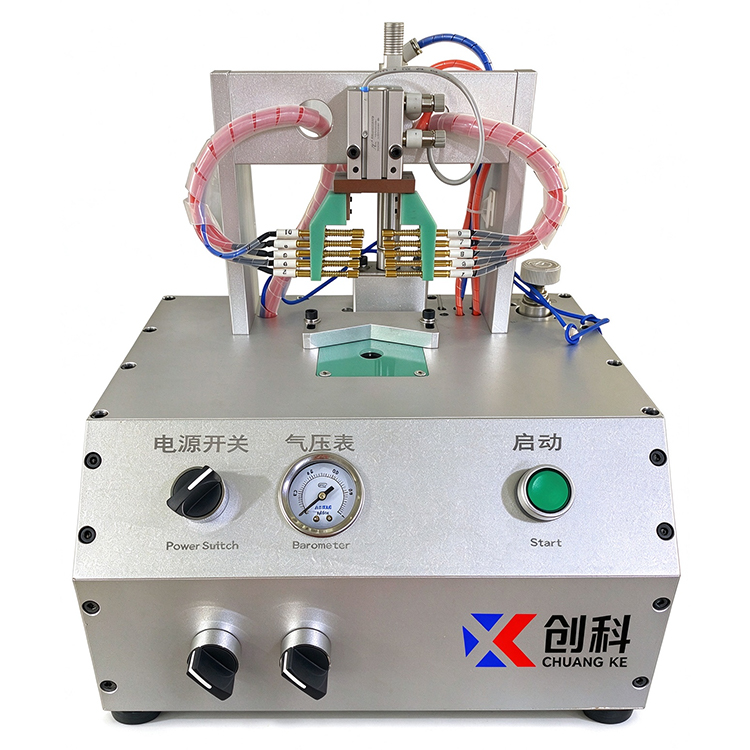
After the iron core completes the front-end process, boxing, positioning and dispensing need to match the product form and adhesive characteristics. By reasonably organizing workstations and transfer sequences, repeated handling can be reduced, and clear process interfaces can be reserved for adhesive amount control, assembly confirmation and subsequent curing.
- Assembly Coordination· Plan the sequence of feeding, positioning and boxing according to the shell structure.
- Process Management· Determine the dispensing path and subsequent circulation in combination with the requirements of the rubber compound.
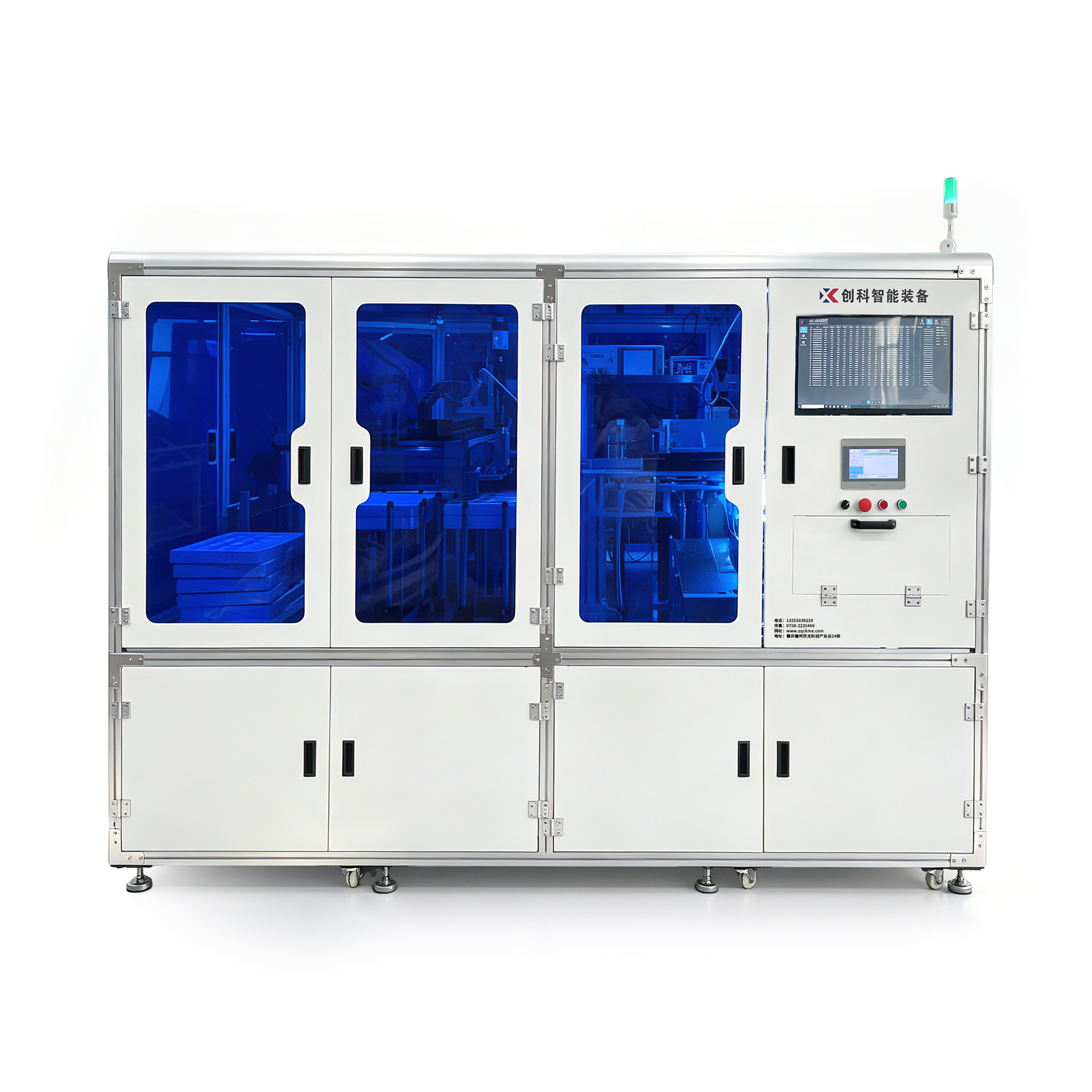
Keep quality judgment before products flow out
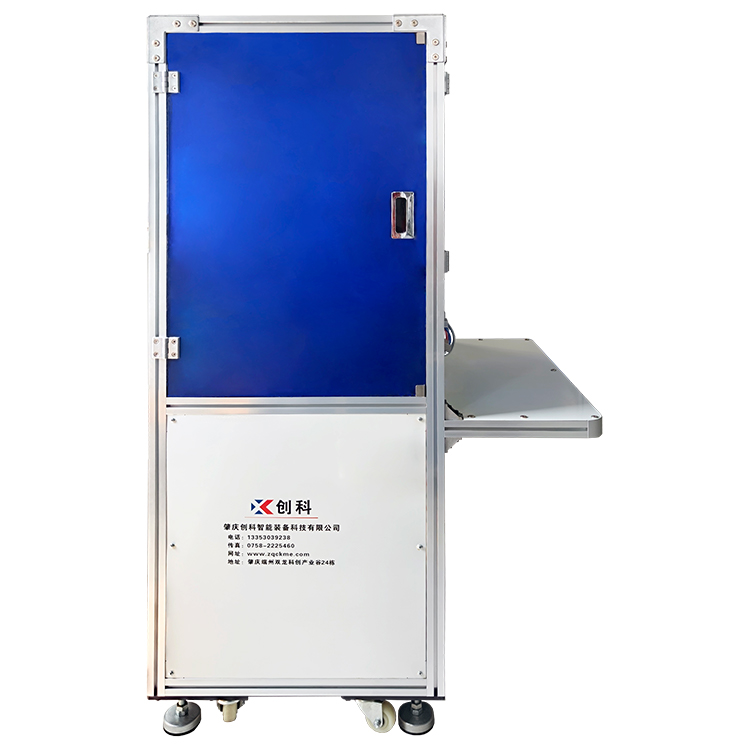
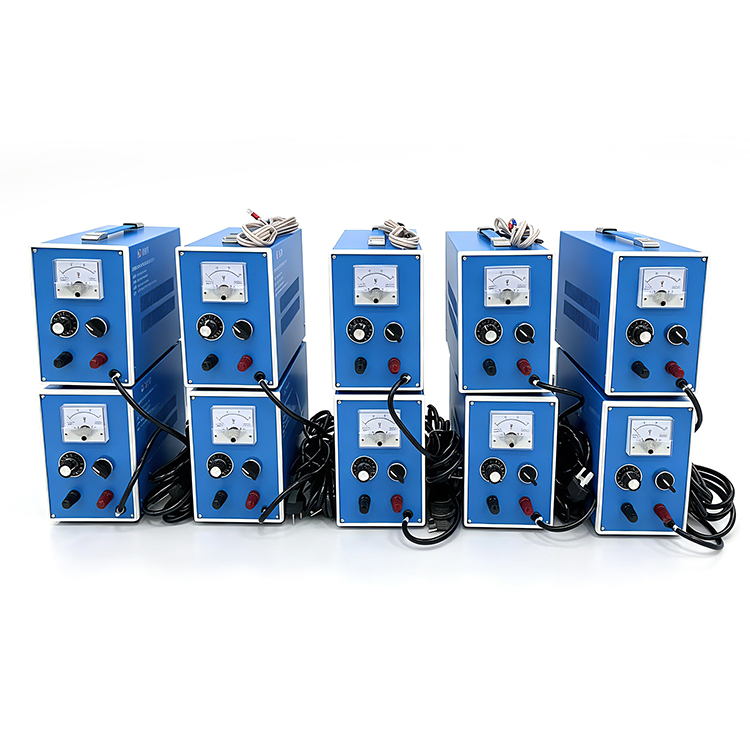
Weighing, testing, and tray arranging can be combined around a unified product flow direction. Judgment conditions shall be set according to actual inspection specifications to distinguish qualified products, products pending recheck, and defective products. When traceability is required, batch information and inspection records can be further associated to provide a basis for process analysis.
- Determine shunting· Arrange the collection and review routes according to the test results.
- orderly handover· Connect to the next process by means of plate arrangement or string rod placement.
Let every process have a clear next step
Based on the product process route, coordinate the actions, takt time and handover conditions of the front and back sections. The following is the process planning idea, and the specific modules can be combined according to production requirements.
-
Feeding and Connection
Determine the connection methods for uncoiling, guiding, and welding in combination with the specifications of the strip.
-
Winding and Forming
Configure the winding and cutting units in accordance with the size and tension requirements.
-
Assembly and Circulation
Plan the process handover in combination with the requirements of heat treatment, box packing and dispensing.
-
Inspection and Collection
Organize testing, weighing and classified collection in accordance with product specifications.
It connects the processes, as well as the information in the manufacturing process.
From upstream material processing to downstream assembly, we take batch, tooling, and circulation methods into unified consideration, so that automation investment serves the entire process path.
Determine the focus of the plan based on practical applications
transformer core
Configure the forming and inspection links in accordance with specification consistency, batch management, and subsequent assembly requirements.
Transformer core
Combine the iron core structure and strip processing technology to plan the winding, turnover, and post-processing methods.
new energy magnetic components
In response to the demand for multi-specification switching, modular combination reserves space for subsequent production capacity adjustment.
It is recommended to confirm the configuration in combination with the strip specifications, iron core drawings, heat treatment requirements, inspection standards and target takt time, so that the connection conditions of each process are clarified at the scheme stage.